What Your TESOL Course Forgot to Teach You About Real-World Classroom Challenges

webmaster

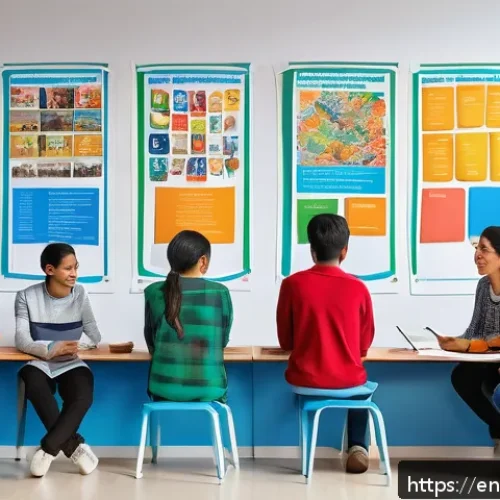
TESOL 강사가 자주 겪는 도전 과제 - **Prompt 1: Dynamic and Inclusive Classroom for Diverse Learners**
    A bright, modern classroom fi...

Hey there, fellow language enthusiasts and educators! Ever find yourself staring at your lesson plan at 2 AM, wondering how you’re going to keep those diverse student groups engaged and thriving?

Trust me, you’re absolutely not alone. From my own years in the classroom, I’ve seen firsthand how incredibly rewarding, yet undeniably challenging, the journey of a TESOL instructor can be.

We constantly juggle cultural nuances, varying proficiency levels, and the endless quest for that perfect, engaging activity. It’s a unique path, often demanding creativity and resilience, and sometimes it feels like we’re navigating a linguistic maze all on our own.

So, if you’ve ever felt overwhelmed by the dynamic demands of teaching English, or just curious about what really goes on behind the scenes, you’re in the right place.

Let’s delve deeper into the most common obstacles TESOL instructors face and how we can conquer them together!

Navigating the Labyrinth of Learner Diversity

TESOL 강사가 자주 겪는 도전 과제 - **Prompt 1: Dynamic and Inclusive Classroom for Diverse Learners**
    A bright, modern classroom fi...

Meeting Varied Proficiency Levels

Oh, the sheer joy and simultaneous headache of walking into a classroom brimming with students whose English proficiency spans the entire spectrum! It’s like being a chef trying to prepare one meal that satisfies everyone from a toddler to a Michelin-star critic.

I’ve been there, staring at lesson plans, wondering how on earth I’m going to make that grammar point accessible to my A1 beginners while still challenging my B2 advanced learners.

It’s not just about differentiating activities; it’s about understanding their individual learning gaps and strengths, which honestly, changes from day to day with their moods and energy levels.

What I’ve found helps immensely is creating flexible tasks that allow for multiple entry and exit points. For instance, a simple discussion prompt can become a beginner exercise by providing sentence starters and a word bank, while advanced students can delve into nuanced debate.

It takes a lot of pre-planning, often more than you’d think, but seeing that lightbulb moment in every student, regardless of their level, is incredibly rewarding.

That’s when you know you’ve truly hit your stride as an educator.

Embracing Diverse Learning Styles and Backgrounds

Beyond proficiency, students walk into our classrooms with a fascinating tapestry of learning styles and cultural backgrounds. Some thrive with visual aids, others need hands-on activities, and a good chunk are auditory learners who absorb everything from listening.

Then, layer in cultural nuances! What’s perfectly acceptable in one culture might be considered rude or confusing in another. I recall one instance where a group activity I designed, expecting lively debate, fell flat because in some of my students’ cultures, direct confrontation, even in a role-play, was avoided.

It was a huge learning curve for me! I quickly realized that understanding these unspoken rules, or at least being sensitive to them, is paramount. Building rapport becomes less about just being friendly and more about creating a truly inclusive space where everyone feels safe to participate in their own way.

Sometimes, that means adjusting expectations on the fly, or even taking a few minutes at the beginning of a course to explicitly discuss classroom norms and expectations, which, trust me, can save a lot of headaches down the line.

It’s truly a dance, constantly adjusting your steps to match the rhythm of your students.

Keeping the Spark Alive: Fueling Student Motivation

Battling the Mid-Course Slump

You know that initial burst of enthusiasm your students have? It’s infectious, right? But then, about halfway through a long course, or sometimes even sooner, you start to see it fade.

Those bright eyes become a little glazed, the active participation dwindles, and suddenly, you’re doing more talking than they are. The mid-course slump is a real thing, and honestly, it can be a huge drain on our own motivation too.

I’ve personally felt that pang of “Am I boring them?” or “Is what I’m doing even making a difference?” It’s a tough spot to be in, but I’ve found that injecting novelty and real-world relevance helps immensely.

One strategy I swear by is bringing in guest speakers – even if it’s just a fluent speaker from the community to chat about their experiences. Another trick is to switch up the learning environment.

If you’re always in the classroom, try an outdoor lesson or a visit to a local coffee shop for a “real-life” conversation practice. Anything that breaks the routine can re-ignite that initial spark they had.

Connecting Learning to Real-World Goals

Let’s be honest, memorizing grammar rules can feel pretty dry. For many students, the “why” behind learning English isn’t just to pass a test; it’s to travel, get a better job, connect with family, or simply enjoy their favorite movies without subtitles.

Tapping into these deeply personal motivations is key to sustained engagement. I always try to kick off a new unit by asking, “How will this help you in your daily life or future goals?” For example, when teaching conditionals, instead of just drilling “if…then,” we might role-play job interviews or discuss hypothetical travel scenarios.

When I teach business English, I love bringing in current events or case studies from global companies. It makes the language come alive and instantly shows them the practical application.

I even encourage them to share their own experiences and how they’ve used English outside the classroom. Seeing that direct connection often transforms a seemingly abstract lesson into a vital tool for their future.

It’s incredibly satisfying to watch them realize the power they’re gaining.

Advertisement

The Ever-Evolving Toolkit: Staying Current in TESOL

Keeping Pace with Technological Advances

Remember when the overhead projector was high-tech? Gosh, those were the days! Now, if you’re not integrating AI tools, interactive whiteboards, and a plethora of apps into your teaching, you can feel like you’re teaching in the Stone Age.

It’s a constant race to keep up, and sometimes, it honestly feels a bit overwhelming. I remember trying to learn a new online platform in the middle of a semester – it felt like I was learning alongside my students, only with the added pressure of being the ‘expert’!

But staying current isn’t just about bells and whistles; it’s about finding tools that genuinely enhance learning and engagement. I’ve seen firsthand how a well-chosen app can turn a dreaded vocabulary lesson into a fun game, or how a simple online collaborative document can foster peer feedback like never before.

It requires dedication to continuous professional development, attending webinars, and yes, sometimes just diving in and experimenting. The key is to see these tools not as replacements for good teaching, but as powerful extensions of it.

Adapting to New Methodologies and Best Practices

Just when you think you’ve mastered the communicative approach, along comes task-based learning, or content and language integrated learning (CLIL), or a refreshed take on flipped classrooms.

The field of TESOL is incredibly dynamic, and honestly, it’s one of the things I love most about it, but it also means there’s a constant pressure to evolve your own pedagogy.

What worked beautifully five years ago might feel a bit stale today, or we might discover new research that suggests a different approach is more effective.

It’s not about jumping on every single bandwagon, but rather critically evaluating new methods and seeing how they might enrich your existing practices.

I often find myself reflecting on my lessons: “Could I have approached this differently? Is there a more student-centered way?” Engaging with professional communities, reading journals, and even observing colleagues teach can provide invaluable insights.

It’s about being a reflective practitioner, always seeking to refine your craft, because our students deserve the most effective and engaging learning experiences we can offer.

Beyond the Textbook: Crafting Engaging Material

Resource Scarcity and Creative Solutions

Oh, the good old textbook. It’s a valuable guide, but let’s be real, sometimes it just doesn’t cut it. Especially when you’re teaching a very specific group, or if the material feels a bit dated.

I’ve been in situations where the “recommended” resources were either prohibitively expensive or simply not available. That’s when you really tap into your inner MacGyver, creating engaging materials out of thin air!

From repurposing newspaper articles to designing interactive games using everyday objects, necessity truly becomes the mother of invention. I once taught a fantastic lesson on descriptive adjectives using only a bag of different textured and shaped items I found around my house.

It was a hit! This forces you to think outside the box and tailor lessons specifically to your students’ interests and local context. It also means spending a fair bit of personal time scouring the internet for authentic materials – podcasts, YouTube clips, online articles – anything that feels current and relevant.

Tailoring Content to Student Interests

Generic English lessons can only go so far. What truly brings a classroom to life is when the content resonates deeply with the students’ personal interests, hobbies, and professional goals.

I remember a group of young adult learners who were absolutely obsessed with video games. Instead of forcing them through a dry reading passage about global warming (important, but not their jam at that moment!), I designed a lesson around video game reviews, character descriptions, and even creating their own game concepts.

Their engagement shot through the roof! It takes a bit more effort on our part, definitely, to research and adapt materials, but the payoff in terms of student motivation and participation is immense.

Asking them directly about their interests through surveys or casual conversations at the beginning of a course can provide a treasure trove of ideas.

It transforms you from just a teacher into a facilitator of their own passions, using English as the vehicle.

Advertisement

Mastering the Art of Classroom Dynamics

TESOL 강사가 자주 겪는 도전 과제 - **Prompt 2: Modern TESOL Classroom with Advanced Technology Integration**
    An innovative TESOL cl...

Managing Diverse Personalities and Group Work

Every classroom is a microcosm of society, filled with an incredible array of personalities. You’ve got the enthusiastic over-sharer, the quiet genius, the reluctant participant, and sometimes, the student who just seems determined to be anywhere but your class.

Trying to get them all to work productively together, especially in group activities, can feel like herding cats! I’ve had groups where one person dominated completely, and others where no one spoke a word.

It’s tough, and it takes a lot of careful observation and intervention. What I’ve learned is that structuring group tasks with clear roles can make a huge difference.

Assigning a “recorder,” a “time-keeper,” or a “presenter” ensures everyone has a job and reduces the chances of one person taking over. Also, regularly mixing up groups prevents cliques from forming and encourages students to interact with different peers.

It’s a delicate balance, trying to foster collaboration while still valuing individual contributions.

Addressing Behavioral Challenges with Empathy

Let’s be honest, behavioral challenges can throw even the most seasoned instructor off their game. Whether it’s constant tardiness, using phones excessively, or disengagement, these issues can disrupt the learning environment for everyone.

My initial reaction used to be frustration, but I’ve really shifted my perspective over the years. Often, there’s an underlying reason for the behavior – perhaps a student is struggling with personal issues, feels overwhelmed by the course, or is simply unaware of classroom expectations.

Approaching these situations with empathy and a private conversation, rather than public admonishment, has been far more effective for me. I try to understand their perspective first, then clearly state the impact of their behavior and suggest solutions together.

Setting clear, consistent boundaries from day one is also incredibly important. It’s about creating a respectful environment where everyone feels accountable, and sometimes that means having those uncomfortable but necessary one-on-one chats.

Challenge Category Common Instructor Feelings Effective Strategies Benefits to Students
Learner Diversity Overwhelmed, Stretched Thin Differentiated tasks, flexible materials, cultural sensitivity Personalized learning, increased confidence, inclusive environment
Student Motivation Frustration, Self-doubt Novelty, real-world connections, guest speakers, field trips Sustained engagement, clear purpose, practical application
Staying Current Behind the Curve, Exhausted Continuous PD, tech integration, critical evaluation of methods Modern learning experience, effective pedagogy, relevant content
Material Creation Resource-strapped, Time-poor Repurposing, authentic materials, interest-based design Engaging content, tailored learning, increased relevance
Classroom Dynamics Stressed, Disheartened Structured group roles, empathy-based behavior management, clear boundaries Productive collaboration, respectful interactions, supportive atmosphere

Bridging Cultures, Building Connections

Overcoming Cultural Communication Barriers

Teaching English isn’t just about grammar and vocabulary; it’s a deep dive into communication, which is inherently cultural. I’ve often found myself explaining not just what a phrase means, but *why* we say it that way, or what the unspoken rules are.

For instance, the concept of “small talk” can be completely baffling to someone from a culture where direct communication is preferred, and personal questions are reserved for close friends.

I remember a student who struggled immensely with presentations because in their culture, it was considered impolite to make direct eye contact with an elder or authority figure.

Without understanding that cultural norm, I might have simply thought they were shy or unprepared. These are the moments where our role as TESOL instructors extends beyond language and into cultural ambassadorship.

It’s about creating a safe space for students to explore these differences, ask questions without fear of judgment, and understand that there isn’t one “right” way to communicate, but rather appropriate ways for different contexts.

Fostering Cross-Cultural Understanding in the Classroom

One of the most beautiful aspects of a diverse TESOL classroom is the incredible opportunity for cross-cultural exchange. However, it doesn’t always happen organically.

Sometimes, students from different backgrounds might stick to their own groups, or misunderstandings can arise. I actively try to foster an environment where students learn *from* each other, not just from me.

This might involve specific activities where they share traditions, discuss current events from their respective countries, or even collaborate on projects that explore different cultural perspectives.

I once had a project where students had to research and present on a holiday from their home country, explaining its significance and how it’s celebrated.

It was absolutely fascinating for everyone, and it truly broadened horizons. These shared experiences not only improve their English communication skills but also cultivate a deeper sense of global citizenship and empathy.

It’s about building bridges, one conversation at a time, and it’s truly magical when you see those connections form.

Advertisement

Striking the Balance: Assessment Without Stress

Designing Meaningful and Fair Evaluations

Ah, assessment – the necessary evil, right? For both us and our students, it can be a source of significant stress. The challenge isn’t just about grading, but about designing evaluations that are truly meaningful, fair, and actually reflect what students have learned, rather than just their test-taking ability.

I’ve always struggled with finding that sweet spot. How do you assess speaking fluency accurately without making students feel like they’re on trial? How do you test writing progress when grammar is still developing, but ideas are flowing beautifully?

I’ve moved away from relying solely on traditional tests and started incorporating more project-based assessments, portfolios, and even peer evaluations.

This provides a more holistic view of their progress and often reduces anxiety. It also means clearly communicating the assessment criteria from the outset, so students understand what’s expected of them and can truly prepare.

It’s about making assessment a tool for learning, not just a judgment.

Providing Constructive and Encouraging Feedback

Feedback can either be a powerful catalyst for growth or a demoralizing blow, and it’s entirely up to how we deliver it. I’ve learned the hard way that simply pointing out every mistake can overwhelm students and make them shut down.

What works much better is focusing on a few key areas for improvement, prioritizing them, and always starting with what they did well. I often use a “sandwich” approach: a compliment, then a suggestion for improvement, and then another compliment or encouraging remark.

Providing specific examples is also crucial. Instead of saying “your grammar needs work,” I might say, “try using more varied sentence structures in your next paragraph, perhaps by combining these two short sentences.” I also try to make feedback a dialogue, encouraging students to ask questions and even self-correct.

It’s about being a guide, not just a critic, and reminding them that every mistake is just a step closer to mastery. That’s how we truly build confidence, one supportive comment at a time.

Concluding Thoughts

As we navigate the wonderfully complex world of English language teaching, it’s clear that our journey is far from a straight path. It’s a winding road filled with delightful discoveries, occasional detours, and countless moments of profound connection. What I’ve truly come to appreciate is that at the heart of every successful lesson, every motivated student, and every ‘aha!’ moment, lies our genuine effort to understand, adapt, and empathize. It’s about building a learning sanctuary where every voice feels heard, every culture is respected, and every struggle is met with unwavering support. This isn’t just a job; it’s a calling, and it constantly asks us to be our most creative, compassionate, and resilient selves. Keep that spark alive, both in your students and within yourself!

Advertisement

Useful Information to Know

1. Diversify Your Material Sources: Don’t rely solely on one textbook. Explore authentic materials like podcasts, news articles, movie clips, and even local community events. These real-world resources make learning infinitely more engaging and relevant to your students’ lives, often sparking conversations that a textbook simply can’t.

2. Embrace Technology, But Judiciously: While it’s tempting to jump on every new app or AI tool, take a moment to consider if it genuinely enhances learning or just adds complexity. Focus on tools that foster interaction, provide instant feedback, or simplify administrative tasks, giving you more time for direct student engagement.

3. Prioritize Rapport Building: A strong teacher-student relationship is the bedrock of effective learning. Take time to learn about your students’ interests, goals, and cultural backgrounds. Small gestures like remembering their favorite hobbies or asking about their weekend can create a supportive atmosphere where they feel safe to take risks.

4. Reflect and Adapt Constantly: After each lesson or unit, take a few minutes to reflect. What went well? What could be improved? Ask for student feedback, too! Their insights are invaluable for refining your teaching approach and ensuring your methods remain fresh, effective, and tailored to their evolving needs.

5. Invest in Your Own Learning: The TESOL field is always evolving. Attend webinars, join online communities, read journals, or even consider a short course. Continuous professional development isn’t just about staying current; it’s about reigniting your passion and bringing new ideas and energy into your classroom.

Key Takeaways

Truly effective English language teaching transcends mere instruction; it’s an art form woven with empathy, adaptability, and an unyielding commitment to student success. The core lies in acknowledging and celebrating learner diversity, consistently fueling motivation through relevant and engaging content, and embracing continuous professional growth to keep pace with an ever-changing world. By fostering cross-cultural understanding and implementing meaningful, constructive assessment, we empower our students not just with language skills, but with the confidence to navigate a globalized world. Remember, your impact extends far beyond the classroom walls, shaping futures one lesson at a time.

Frequently Asked Questions (FAQ) 📖

Q: How do you effectively manage a classroom with students who have wildly different English proficiency levels?

A: Oh, tell me about it! This is probably the question I get asked most often, and for good reason. It feels like you’re trying to teach a marathon runner and a casual jogger on the same track, right?
What I’ve found, after many years of trial and error (and a few exasperated sighs!), is that differentiation isn’t just a buzzword; it’s absolutely essential.
I remember one class where I had a student who’d lived in the US for years sitting next to someone who was literally learning the alphabet. My first instinct was panic!
But then, I started seeing small groups as my secret weapon. I’d give the more advanced students extension activities, like peer-editing complex essays or leading small discussion groups, while I focused on foundational concepts with those just starting out.
Using tiered assignments – where everyone works on the same topic but with varying levels of complexity in the task or expected output – has been a game-changer.
For example, when teaching about food, beginners might label pictures, intermediates could describe their favorite meal, and advanced learners might debate the ethics of food waste.
Technology also helps immensely; apps like Quizlet or Kahoot can be tailored to different levels, and online resources provide an endless supply of supplementary materials.
The key is to constantly observe, adapt, and not be afraid to mix and match strategies until you find what truly resonates with your unique group. It’s all about making every student feel challenged but not overwhelmed, and most importantly, seen and supported.

Q: Beyond textbooks, what are some creative ways to keep students engaged and motivated to learn English?

A: This is where the magic happens, in my opinion! Textbooks are great for structure, but genuine engagement often comes from stepping outside those pages.
I’ve personally seen students who were completely checked out suddenly light up when a lesson moved from abstract grammar to something real and relatable.
For me, the biggest win has always been connecting English to their real lives and interests. Think about it: why do we learn languages? To communicate, to connect!
One thing I swear by is project-based learning. Instead of just memorizing vocabulary, have them create a short travel vlog about a hypothetical trip, a ‘Shark Tank’ style pitch for a new product, or even a podcast episode discussing a local event.
The sense of ownership and purpose is incredibly motivating. I also love incorporating games – not just silly time-fillers, but games that strategically reinforce language points.
Charades for verbs, Pictionary for nouns, or even a ‘Jeopardy!’ style review. Another powerful tool is storytelling. Have them tell personal anecdotes, create collaborative stories, or even analyze short films and discuss the characters’ motivations.
When you make learning an active, creative, and relevant experience, you’re not just teaching English; you’re fostering a genuine love for communication, and that’s something they carry far beyond your classroom.

Q: How can TESOL instructors navigate and address cultural differences respectfully in a diverse classroom?

A: Oh, this is such a crucial one, and honestly, it’s a continuous learning process for all of us. When you’re teaching students from all corners of the globe, you quickly realize that what’s perfectly normal in one culture might be completely unheard of, or even misunderstood, in another.
I distinctly remember an incident early in my career where I used a common idiom, and half the class looked utterly confused while the other half thought I was being incredibly rude!
It was a wake-up call. The most important thing I’ve learned is to approach every interaction with genuine curiosity and respect, rather than making assumptions.
I make it a point to learn about my students’ backgrounds, not just their language levels. Simple things like understanding different communication styles – whether direct or indirect – or perspectives on personal space can make a huge difference.
I also explicitly discuss cultural nuances and offer it as a learning opportunity. For instance, when we’re practicing formal vs. informal language, we might also touch upon when it’s appropriate to use each in different cultural contexts, or how polite requests can vary.
Creating a safe space where students feel comfortable sharing their own cultural insights is invaluable. They often become each other’s best teachers!
It’s about building bridges, celebrating diversity, and ensuring that our classroom is a place where everyone feels understood and valued, while also gently guiding them through the cultural landscape of the English-speaking world.

Advertisement