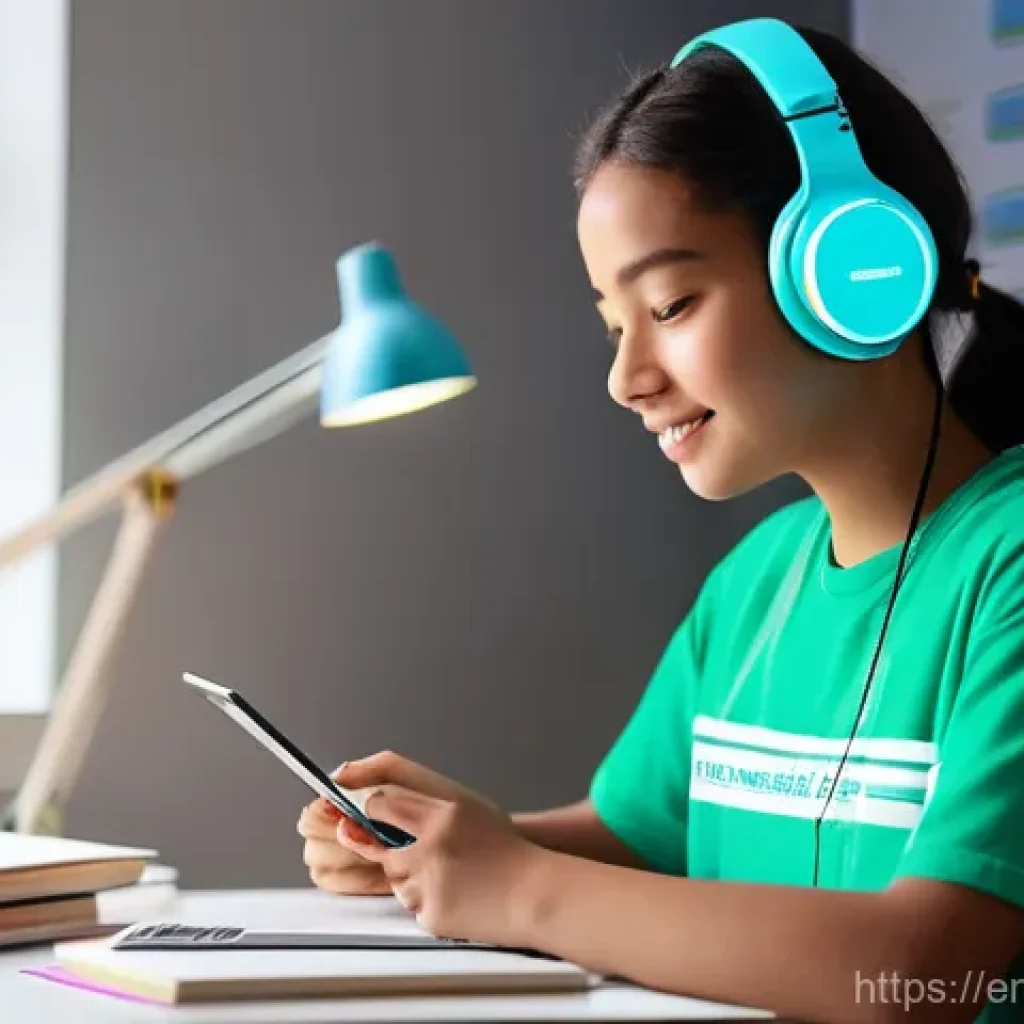
Learning English has always been a journey, right? But seriously, if you’re a TESOL instructor like me, or just someone fascinated by how we teach and learn languages, you’ve probably noticed that the landscape is changing at lightning speed.
It wasn’t that long ago we were thrilled with a good projector, and now? We’re diving headfirst into a world where AI companions help students practice pronunciation, virtual reality transports learners to English-speaking countries, and personalized platforms adapt to every individual’s pace.
It’s exhilarating, a bit overwhelming, and honestly, a game-changer for student engagement and effectiveness. I’ve personally seen how leveraging these cutting-edge tools can turn a hesitant learner into a confident speaker, and it’s truly amazing to witness.
The challenge, of course, is knowing which innovations are truly impactful and how to integrate them seamlessly into our teaching practices without getting lost in the tech jargon.
If you’re ready to unlock the full potential of your language classroom with the newest advancements, then let’s get into the nitty-gritty. We’re going to uncover exactly how these modern technologies are revolutionizing TESOL, and trust me, you won’t want to miss these insights!
Let’s explore the future of language education together.
AI-Powered Personalization: Tailoring the Learning Journey
Okay, so let’s get real for a second. We’ve all had those students who just don’t click with the standard curriculum, right? It’s not their fault, and it’s certainly not yours. The beauty of today’s tech, especially AI, is how it’s tearing down those one-size-fits-all barriers. I mean, I remember spending hours trying to create different materials for every student, agonizing over who needed more grammar, who needed more speaking practice, and who just needed a confidence boost. Now? AI-driven platforms are taking on that heavy lifting. They literally learn from each student’s interactions, spotting their strengths and those tricky areas that need extra attention. Imagine a student practicing pronunciation with an AI companion that gives instant, nuanced feedback, or tackling vocabulary relevant to their specific interests, like coding or cooking, rather than generic textbook lists. This isn’t just about efficiency; it’s about making learning feel intensely personal and incredibly effective. When a student feels seen and understood by their learning tools, their motivation skyrockets, and that, my friends, is priceless. I’ve witnessed firsthand how this personalized approach transforms hesitant learners into confident communicators, and it truly feels like magic, but it’s just smart tech at work.
Adaptive Learning Paths for Every Student
The days of rigid curricula are fading fast, and thank goodness for that! AI-powered systems are allowing us to create truly adaptive learning paths. These platforms aren’t just adjusting the difficulty; they’re recommending resources, suggesting different learning styles, and even tailoring the pace based on how quickly a student grasps new concepts. It’s like having a hyper-attentive private tutor for every single learner, constantly optimizing their journey. As an instructor, this frees me up to focus on the human elements – motivation, empathy, and deeper discussions – rather than just content delivery.
Intelligent Feedback and Pronunciation Coaching
One of the biggest game-changers for me has been the advent of intelligent feedback systems, particularly for pronunciation. Let’s be honest, giving detailed, non-judgmental pronunciation feedback to a large class is nearly impossible. But with AI? Students can practice tricky sounds, intonation, and rhythm, receiving immediate, precise analysis without any self-consciousness. They can repeat phrases until they nail them, building muscle memory and confidence. It’s a fantastic supplement to classroom interaction, ensuring consistent progress even when I’m not directly listening.
Immersive Environments: Stepping into Virtual Worlds
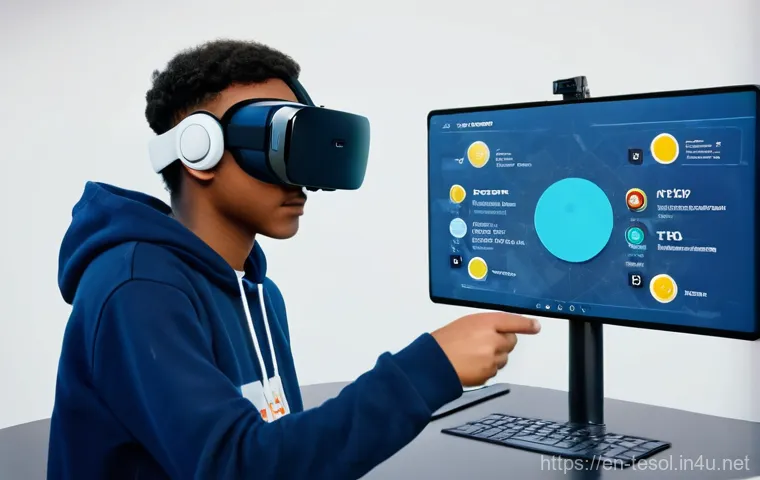
Remember those times we tried to explain cultural nuances or specific real-world scenarios in a classroom? You’d bring in pictures, maybe a video, but it never quite captured the essence. Well, get ready because virtual reality (VR) and augmented reality (AR) are obliterating those limitations. I recently had my students don VR headsets and ‘visit’ a bustling market in London, practicing asking for directions and haggling over prices with virtual shopkeepers. The level of engagement was off the charts! They were laughing, making mistakes, and most importantly, using English in an authentic, low-stakes environment. It’s not just about sightseeing; it’s about simulating real-life interactions that build confidence and cultural understanding in ways a textbook simply can’t. We’re talking about stepping into a cafe in New York to order coffee, navigating an airport in Sydney, or even participating in a business meeting in Silicon Valley – all from the comfort of our learning space. This kind of experiential learning makes abstract concepts tangible and transforms passive learning into active doing, which, as we all know, is where the real magic happens for language acquisition.
Virtual Reality for Authentic Communication Practice
VR takes role-playing to an entirely new dimension. Instead of just imagining a scenario, students are dropped right into it. They’re forced to react, think on their feet, and use the language spontaneously. I’ve found this incredibly powerful for overcoming speaking anxiety. When they’re immersed in a virtual world, the pressure feels different; it’s more about the task at hand than the fear of making a mistake in front of peers. This authentic communication practice is invaluable, bridging the gap between classroom learning and real-world application.
Augmented Reality for Interactive Learning
AR, on the other hand, superimposes digital information onto the real world. Think about pointing your phone at a textbook page and having a 3D animation pop up to explain a complex grammatical concept, or scanning an object in your classroom and getting its English name and related vocabulary. This interactive layer makes learning feel dynamic and playful. It’s particularly great for younger learners or those who benefit from visual and kinesthetic input, transforming everyday objects into language learning opportunities right before their eyes.
Gamification: Making Learning Irresistibly Fun
Let’s be honest, sometimes learning a language can feel like a chore, right? Especially when you hit those plateaus. That’s why gamification isn’t just a trend; it’s a pedagogical superpower in the TESOL world. I’ve always tried to inject fun into my lessons, but modern gaming elements take it to a whole new level. We’re not just talking about simple flashcard games anymore. I’m seeing platforms that turn grammar drills into epic quests, vocabulary acquisition into competitive leaderboard challenges, and even conversational practice into interactive storytelling adventures. The genius here is tapping into our innate desire for achievement, competition, and reward. When students are earning points, unlocking badges, climbing leaderboards, or collaborating with teammates to solve a linguistic puzzle, they’re not thinking about how hard learning English is; they’re just having a blast. This intrinsic motivation is incredibly powerful for consistent engagement and retention. I’ve seen students who used to dread grammar exercises eagerly tackle them when they’re framed as a ‘boss battle’ against common errors. It makes learning feel less like work and more like play, and isn’t that the ideal scenario for long-term progress?
Turning Drills into Thrills with Points and Badges
The core of gamification lies in its reward systems. Points, badges, and virtual currency might seem simple, but they provide tangible recognition for effort and progress. When a student earns a badge for mastering the past perfect, it’s not just a passing grade; it’s a visible achievement that boosts their confidence and encourages them to tackle the next challenge. This immediate positive reinforcement helps maintain motivation, especially when learning gets tough.
Leaderboards and Collaborative Quests for Engagement
Adding a competitive or collaborative element through leaderboards and team-based quests can ignite a whole new level of engagement. Healthy competition encourages students to push themselves, while collaborative quests foster teamwork and communication skills. I’ve seen shy students open up and contribute enthusiastically when they’re working with peers towards a common linguistic goal, reinforcing both their language skills and their social confidence.
Data Analytics: Decoding Student Progress for Smarter Teaching
This might sound a bit like something out of a sci-fi movie, but trust me, understanding data analytics in TESOL is a game-changer for us instructors. For years, we’ve relied on intuition, observation, and test scores to gauge student progress. While those are still vital, modern platforms are collecting incredibly rich data on everything from how long a student spends on a particular exercise to which grammatical structures they consistently struggle with. And here’s the cool part: these insights aren’t just abstract numbers; they’re actionable intelligence. I’m talking about heatmaps showing where students click most often, detailed reports on common error patterns, and even predictions about who might be falling behind. This isn’t about surveilling students; it’s about providing us with a crystal-clear picture of their learning journey. With this information, I can pinpoint exactly where individual students need support, identify widespread areas of difficulty across a class, and even tweak my lesson plans in real-time to address emergent needs. It’s like having X-ray vision into the learning process, allowing us to intervene precisely and effectively. No more guessing games; just targeted, evidence-based teaching that maximizes impact and minimizes frustration for both teachers and learners.
Identifying Weaknesses and Strengths with Precision
The granular data provided by analytics tools allows us to move beyond general observations. We can see precisely which verb tenses are causing trouble, which vocabulary sets are being forgotten, or even if a student consistently misunderstands specific types of questions. This precision is invaluable. It means I can stop spending time reviewing concepts that most students have mastered and instead focus my energy exactly where it’s needed most for each individual.
Tailoring Curriculum and Intervention Strategies
Armed with this data, we can become much more proactive in our teaching. If analytics show that a significant portion of the class is struggling with reported speech, I can immediately dedicate more time to it or offer supplementary materials. For individual students, I can provide targeted exercises or recommend specific practice areas. This allows for personalized intervention strategies that are truly responsive to student needs, preventing them from falling further behind and fostering a sense of progress.
The Power of Mobile: Learning Anytime, Anywhere

Seriously, can we just take a moment to appreciate our smartphones? What used to be a distraction is now arguably the most powerful personal learning device ever invented. And in TESOL, it’s absolutely revolutionary. Think about it: our students are constantly glued to their phones anyway, so why not meet them where they are? Mobile learning isn’t just about shrinking a textbook onto a screen; it’s about delivering bite-sized, engaging content that fits seamlessly into their busy lives. I’ve seen students squeeze in a quick vocabulary quiz on the bus, listen to an English podcast during their lunch break, or practice speaking with an app while waiting in line for coffee. This ubiquity means learning doesn’t stop when they leave the classroom. It becomes an integrated part of their daily routine, fostering consistent exposure and practice. The best apps leverage native mobile features, too – things like push notifications for daily challenges, built-in microphones for speaking practice, and gamified elements that make learning feel more like playing. It’s about leveraging that ever-present device to create an environment where learning English is always accessible and always convenient, turning every spare moment into a potential learning opportunity.
Microlearning for Busy Schedules
The genius of mobile learning often lies in its microlearning format. Breaking down complex language concepts into small, manageable chunks that can be consumed in just a few minutes is perfect for today’s fast-paced lifestyles. Students can fit meaningful learning into otherwise unproductive moments, accumulating significant progress over time without feeling overwhelmed or needing to dedicate large blocks of time.
Utilizing Native Mobile Features for Enhanced Practice
Modern mobile apps truly shine by leveraging the unique capabilities of smartphones. Voice recognition for instant speaking feedback, interactive touch gestures for engaging exercises, and even camera integration for real-world object identification and vocabulary building all contribute to a richer, more dynamic learning experience. These features go beyond simply replicating desktop content, making the mobile device a potent tool for language acquisition.
Collaborative Tools: Connecting Global Classrooms
One of the most exciting shifts I’ve observed is how technology is obliterating geographical boundaries, transforming our classrooms from isolated islands into interconnected global communities. Forget pen pals; we’re talking about real-time, face-to-face interactions with native speakers or fellow learners from halfway across the world. Platforms like Zoom, Microsoft Teams, and even specialized language exchange apps are making this a daily reality. I’ve facilitated joint projects where my students in New York collaborated with students in Berlin on a presentation, or had informal chat sessions with English learners from Tokyo discussing cultural differences. This isn’t just about practicing English; it’s about developing cross-cultural communication skills, understanding different accents, and building global friendships. The confidence boost students get from successfully communicating with someone from a different background is immense. It makes the language come alive and demonstrates its practical value in a tangible way. These tools foster a sense of shared purpose and create authentic communicative contexts that are incredibly motivating. It’s truly empowering to see students connect, learn from each other, and realize the vast potential of their burgeoning English skills on a global stage.
Virtual Exchange Programs and Tandem Learning
Virtual exchange programs allow students to partner with peers in other countries for joint projects, discussions, and cultural sharing. This provides authentic communicative practice and exposure to different perspectives and accents. Tandem learning apps pair learners who want to practice each other’s native languages, offering reciprocal learning opportunities that are often more engaging and personalized than traditional methods.
Project-Based Learning Across Borders
Technology enables incredible project-based learning opportunities that span continents. Imagine students from different countries collaborating on a virtual newspaper, producing a short film, or conducting a debate on a global issue. These projects require constant communication, negotiation, and problem-solving in English, making the language a functional tool for achieving a common goal, rather than just an academic subject.
Beyond the Classroom: Real-World Language Application
Let’s face it, the ultimate goal of learning English isn’t just to pass tests; it’s to use it effectively in the real world. And that’s where modern tech truly shines, taking learning far beyond the four walls of a classroom. We’re talking about leveraging everyday digital tools and content to create an immersive English-speaking environment. I always encourage my students to switch their phone settings to English, watch their favorite shows with English subtitles (and eventually without!), listen to English podcasts on topics they genuinely enjoy, and even participate in online communities or forums that cater to their hobbies, but in English. It’s about turning passive consumption into active engagement. I’ve seen students’ English skills skyrocket when they find a K-pop fan forum in English or a gaming community where everyone communicates in English. They’re motivated by genuine interest, not just academic requirements. This integration of English into their daily digital lives makes the language feel less like a subject and more like a tool for connecting with their passions. It’s less about studying and more about living in English, which, from my experience, is the fastest track to fluency and confidence. This organic, interest-driven application is where the rubber meets the road, proving that English is not just for exams but for unlocking a whole world of possibilities.
Leveraging Digital Media for Authentic Immersion
The sheer volume of English-language digital media available today is an unparalleled resource. From YouTube channels and Netflix series to podcasts and online news, students can immerse themselves in authentic English content tailored to their interests. This passive exposure, when combined with active listening and interaction (like discussing a show with friends in English), dramatically accelerates comprehension and vocabulary acquisition.
Engaging in English-Speaking Online Communities
For many learners, the fear of making mistakes in spoken English can be paralyzing. Online communities offer a safe, text-based environment to practice expressing thoughts and engaging in discussions. Whether it’s a subreddit about their favorite video game, a Facebook group for a specific hobby, or a forum dedicated to learning English, these platforms provide low-stakes opportunities for practical application and interaction, building confidence before moving to spoken communication.
| Technological Tool | How it Revolutionizes TESOL | Benefit for Learners | Benefit for Instructors |
|---|---|---|---|
| AI-Powered Platforms | Delivers hyper-personalized learning paths and instant feedback. | Tailored content, targeted practice, improved accuracy in pronunciation and grammar. | Reduced grading time, data-driven insights for intervention, ability to focus on human interaction. |
| Virtual & Augmented Reality (VR/AR) | Creates immersive, real-world simulations for practice and cultural understanding. | Authentic communicative situations, reduced anxiety, cultural exposure, experiential learning. | Engaging lesson alternatives, visual and kinesthetic learning opportunities, deeper cultural context. |
| Gamified Learning Apps | Integrates game mechanics (points, badges, leaderboards) into language tasks. | Increased motivation, sustained engagement, fun learning experience, measurable progress. | Higher student participation, less resistance to repetitive drills, easy progress tracking. |
| Data Analytics Tools | Provides detailed insights into student performance and learning patterns. | Personalized support, identification of specific weaknesses, efficient progress. | Evidence-based teaching decisions, targeted intervention, optimized curriculum design. |
| Mobile Learning Applications | Enables bite-sized, on-the-go learning and practice. | Flexibility, convenience, consistent exposure, integration into daily routine. | Extended learning beyond classroom hours, access to diverse resources, supplementary practice options. |
Wrapping Things Up
Whew! What a journey we’ve just taken through the exciting world where technology meets English language learning. Honestly, reflecting on all these innovations, I can’t help but feel incredibly optimistic about the future of TESOL. It’s not just about flashy new gadgets; it’s about genuinely empowering both learners and us, the educators. I’ve personally witnessed how a shy student can blossom into a confident speaker thanks to AI pronunciation feedback, or how a class struggling with cultural concepts suddenly “gets it” after an immersive VR experience. This isn’t just teaching anymore; it’s transforming lives, making the seemingly impossible task of mastering a new language feel not just achievable, but genuinely thrilling. Keeping up with these changes might seem like a lot, but trust me, the payoff in student engagement and genuine progress is absolutely worth it. It truly feels like we’re on the cusp of an even more connected, personalized, and effective era of language acquisition, and being a part of it is incredibly rewarding.
Good-to-Know Information
1. Don’t be afraid to experiment a little! Many of these cutting-edge tools offer free trials or basic versions. Dip your toes in, see what resonates with your teaching style or your students’ learning preferences. It’s truly a “try before you commit” landscape, and you might discover your next favorite classroom game-changer without spending a dime. Remember, the goal is enhancement, not complete overhaul, so pick one or two areas where you feel technology could make the biggest difference for your learners and start there. The beauty of it is that students, being digital natives, often adapt faster than we do, and their enthusiasm can be infectious.
2. Consistency is far more impactful than intensity. Instead of long, sporadic tech-heavy sessions, integrate smaller, regular doses of digital tools into your routine. A five-minute gamified quiz to start class, a quick AI chatbot interaction for homework, or even just encouraging students to change their phone’s language settings can build massive momentum over time. Think microlearning; those small, consistent efforts compound into significant progress and keep engagement levels high, making learning feel less like a chore and more like a natural part of their day. It’s about creating habits, not just isolated events.
3. Remember, technology is a fantastic *assistant*, but it doesn’t replace the human touch. Your empathy, guidance, and ability to connect with students on a personal level are irreplaceable. The best use of tech in TESOL happens when it frees you up from administrative tasks or repetitive drills, allowing you more time for meaningful interactions, deeper discussions, and personalized support that only a human teacher can provide. We’re leveraging tech to amplify our impact, not diminish our role; it’s about blending the best of both worlds for an enriched learning experience. It’s genuinely exciting to see how these tools give us more capacity to be truly present with our students.
4. Stay curious and connected. The world of educational technology evolves at lightning speed. Follow reputable TESOL tech blogs, join online communities, or even attend virtual workshops. Keeping an eye on emerging trends, like the latest in conversational AI or new immersive VR platforms, means you’re always equipped to offer your students the most effective and engaging learning opportunities. Think of it as investing in your own professional growth, which directly translates into richer experiences for your students. I’ve found that simply talking to other educators about what they’re trying out often sparks new ideas for my own classroom.
5. Personalization isn’t just for students; it’s for you, too! There are countless tools out there, and not every single one will fit your unique teaching style or classroom needs. Don’t feel pressured to use every shiny new app. Take the time to discover what genuinely works for *you* and your students. Whether it’s a specific app for vocabulary, a platform for virtual exchanges, or an AI tool for lesson planning, curate a tech stack that feels natural and effective. When you enjoy using the tools, that positive energy is contagious and will naturally transfer to your learners, boosting their enthusiasm and keeping them coming back for more.
Key Takeaways
So, if there’s one thing I want you to remember from our chat today, it’s that the integration of cutting-edge technology into English language teaching isn’t just a fleeting trend—it’s the heart of a profound transformation. We’re seeing a shift from generalized instruction to highly personalized learning journeys, where every student’s unique needs are met with precision and care. From immersive virtual environments that make language come alive, to gamified challenges that turn drills into delights, and intelligent analytics that empower us with crystal-clear insights, technology is revolutionizing how we learn and teach. It’s making language acquisition more accessible, engaging, and genuinely effective than ever before. This blend of human expertise with smart tools creates an undeniable synergy, fostering incredible motivation and tangible progress. By embracing these innovations thoughtfully, we’re not just preparing students for tests; we’re equipping them with the confidence and skills to thrive in a globalized, English-speaking world. It’s a thrilling time to be an English language influencer, and I’m incredibly excited for what’s next!
Frequently Asked Questions (FAQ) 📖
Q: How exactly are
A: I and VR making such a big difference in student engagement and learning outcomes? I mean, beyond the cool factor, what’s the real impact?A1: Oh, this is such a fantastic question, and one I get all the time!
From what I’ve seen firsthand, the “cool factor” is just the tip of the iceberg, though let’s be real, it definitely helps capture attention! The real magic of AI and VR in language learning boils down to two things: unparalleled personalization and truly immersive, consequence-free practice.
With AI, we’re talking about systems that can literally learn your students. Imagine an AI tutor providing instant, super-specific feedback on a student’s pronunciation, grammar, or vocabulary, adapting lessons on the fly to focus on their weakest areas while still challenging them where they excel.
I’ve personally used AI-powered tools that help students craft essays, then offer detailed suggestions for improvement – it’s like having a dedicated writing coach for every single learner!
This kind of tailored support, which is nearly impossible for one teacher to provide to thirty students, builds confidence because students feel understood and supported at every step.
It’s not just about getting answers; it’s about getting the right answers for them. Then there’s VR. Oh my goodness, VR is a game-changer for immersion!
I remember trying out a virtual reality application that put me in a Parisian cafe, and I had to order a coffee in French. The AI barista was so responsive, and I felt that rush of real-world pressure without the fear of messing up in front of actual strangers.
For English learners, this means they can practice ordering food in a virtual restaurant, navigating a London street, or even role-playing job interviews in a simulated office environment.
This “risk-free” practice environment allows students to experiment with language, make mistakes, and learn from them without feeling embarrassed. It builds muscle memory for language use in authentic contexts, which is something a textbook can only dream of doing.
It really makes the language come alive and transforms passive learning into active, engaging experiences. My students often tell me they feel so much more motivated when they can experience English instead of just studying it.
Q: Integrating new technology can feel really overwhelming. What are some practical tips for TESOL instructors to actually start incorporating
A: I and VR into their daily teaching without a massive overhaul?A2: You’ve hit on a common concern, and believe me, you’re not alone in feeling that way!
I’ve been there, staring at a new app or tool and thinking, “How on earth do I fit this into my already packed schedule?” But here’s the secret: you don’t need to dive headfirst into a complete tech overhaul.
Start small, experiment, and see what resonates with your students and your teaching style. For AI, I’d suggest starting with using it as your personal assistant for content creation.
Instead of spending hours brainstorming, try asking an AI chatbot to generate ideas for grammar exercises on a specific topic, create varied reading passages at different proficiency levels, or even design conversation starters for a debate.
I’ve found it incredibly helpful for quick lesson planning and getting fresh perspectives. You can also use AI for instant feedback on your students’ written work (if your school allows and you’ve set clear guidelines on ethical use) or encourage them to use AI tools for pronunciation practice at home, as many apps now offer speech recognition.
The key here is to curate the AI’s output and always add your own pedagogical touch. Remember, it’s a tool to enhance what you do, not replace your expertise.
When it comes to VR, if full headsets aren’t immediately accessible, start with more low-fidelity immersive experiences. Think 360-degree English-speaking videos on YouTube or Google Expeditions (if available).
Even simple digital role-playing games can offer a taste of interactive environments. If you do have access to a VR headset, try setting up a specific “VR corner” in your classroom or during office hours.
Assign a specific, focused task, like practicing ordering coffee or asking for directions in a virtual city. Keep the sessions short initially to avoid any discomfort, and make it a collaborative experience where students can share their virtual adventures afterward.
My students love telling me about their “travels” to London or New York through VR, and it really sparks their speaking confidence! The trick is to integrate it thoughtfully, ensuring it complements your learning objectives rather than just being a novelty.
Q: While these technologies sound amazing, what are the potential pitfalls or challenges, especially regarding the human connection and ethical use, and how can we navigate them as educators?
A: This is probably the most important question we need to be asking ourselves, and I appreciate you bringing it up! As exciting as these advancements are, it’s crucial to approach them with a thoughtful, critical eye.
My biggest concern, and one I know many teachers share, is maintaining that invaluable human connection. AI and VR are fantastic tools, but they can’t replicate the empathy, nuanced feedback, or the genuine relationship a teacher builds with a student.
The fear isn’t that AI will replace teachers, but that we might lose sight of the irreplaceable human element if we lean too heavily on tech without proper balance.
Another significant challenge is the “digital divide.” Not all students have equal access to high-speed internet, powerful devices, or even VR headsets.
We need to be mindful of this disparity and ensure that our tech integration doesn’t inadvertently disadvantage some learners. There’s also the ethical minefield of AI, particularly around data privacy and academic integrity.
We absolutely need to have open conversations with our students about what constitutes ethical AI use, how to avoid plagiarism, and how to critically evaluate AI-generated content (because let’s be honest, AI can “hallucinate” and get things wrong!).
To navigate these, I firmly believe in a “blended learning” approach. Technology should support the teacher, not supplant them. This means using AI for repetitive tasks or personalized drills, but reserving our human time for higher-order thinking, deep discussions, emotional support, and the kind of complex communicative competence that only human interaction can truly foster.
For ethical use, establish clear classroom guidelines from day one, just like you would for any other resource. Teach students how to use AI responsibly and critically.
And remember, advocating for equitable access to technology for all students within our institutions is part of our role as modern educators. It’s about empowering ourselves and our students to use these tools intelligently, keeping the human heart of education beating strong.