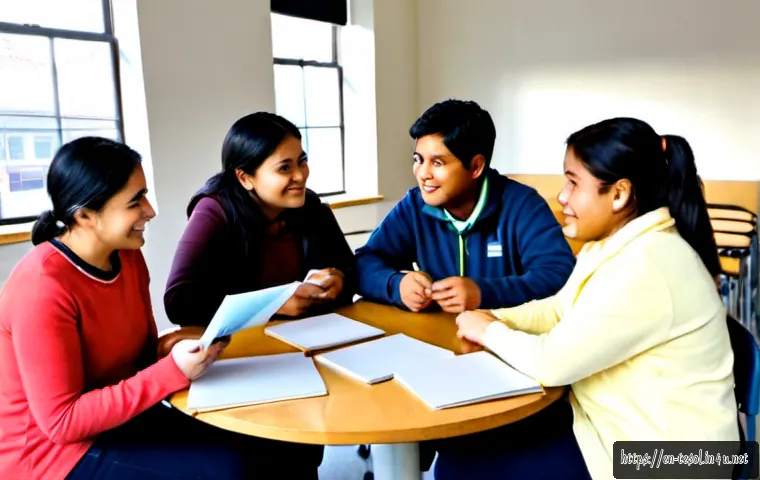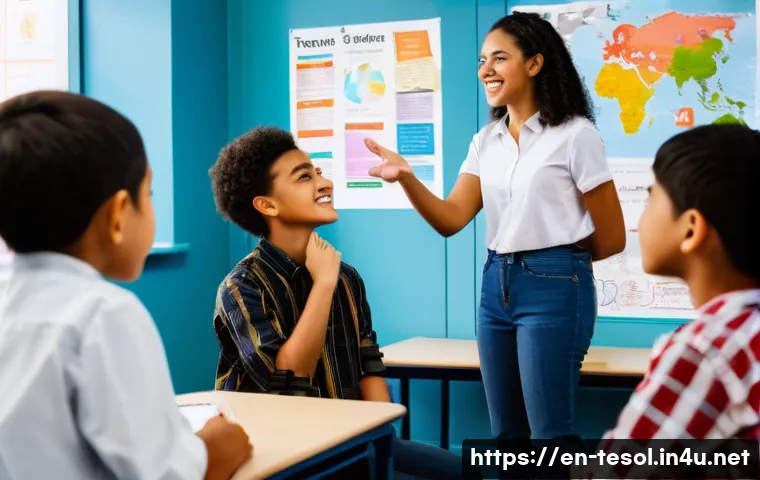
Navigating cultural misunderstandings in TESOL classrooms is more common than many realize. Different backgrounds often shape how students interpret language, gestures, or even classroom norms, leading to unexpected confusion.
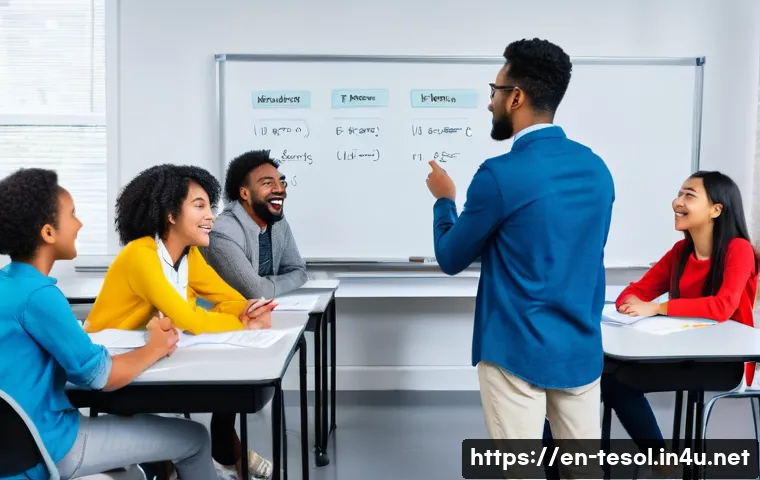
These moments, while challenging, offer valuable opportunities for deeper connection and learning. Understanding these cultural nuances is crucial for creating an inclusive and effective learning environment.
Let’s dive into the details and explore how to turn these challenges into strengths. I’ll walk you through it all in the following sections!
Bridging Communication Styles in Diverse Classrooms
Understanding Direct vs. Indirect Communication
In TESOL classrooms, one of the most frequent sources of confusion stems from differences in communication styles. Some cultures favor direct, explicit communication, where saying exactly what you mean is valued and expected.
Others lean toward indirect communication, where messages are often implied rather than clearly stated to maintain harmony or avoid confrontation. When students from these contrasting backgrounds interact, misunderstandings can easily arise.
For example, a student accustomed to indirect communication might interpret a teacher’s straightforward feedback as harsh or rude, while the teacher simply intends to be clear and constructive.
Recognizing these nuances helps teachers adjust their language and tone, making their intentions clearer and reducing unintended offense.
Nonverbal Cues and Their Varied Meanings
Nonverbal communication is another tricky area. Gestures, facial expressions, and body language can differ widely across cultures. A thumbs-up might be a positive signal in many Western countries, but it could be offensive or meaningless in others.
Eye contact is another example; in some cultures, steady eye contact signals confidence and engagement, but in others, it might be seen as disrespectful or confrontational.
I’ve noticed firsthand that explaining these differences openly to students encourages awareness and patience, turning what could be a source of discomfort into a learning moment for everyone involved.
Adjusting Classroom Norms to Fit Multicultural Expectations
Classroom behaviors such as raising hands, interrupting, or even the way students participate vary greatly depending on cultural backgrounds. In some cultures, students are taught to listen quietly and only speak when called upon, while others encourage lively debate and spontaneous participation.
When these norms clash, students might feel confused or hesitant. I’ve found that setting clear, flexible expectations early in the course, and inviting students to share their own classroom experiences, fosters a more inclusive atmosphere.
This dialogue not only clarifies acceptable behaviors but also validates diverse learning styles.
Building Empathy Through Cultural Awareness Activities
Role-Playing to Experience Different Perspectives
Introducing role-playing exercises where students take on roles from different cultures can be eye-opening. It’s amazing how stepping into someone else’s shoes—even briefly—can deepen empathy and understanding.
For example, I once had students simulate a scenario where they had to interpret instructions from a teacher using gestures only. The confusion and laughter that followed highlighted how easily meaning can shift based on cultural frames of reference.
This hands-on approach encourages students to be more patient and mindful during real interactions.
Sharing Personal Stories to Humanize Differences
Encouraging students to share their own cultural experiences or misunderstandings in a safe space helps break down stereotypes and build connections. When students hear real stories about mistakes, awkward moments, or funny cultural clashes, they often realize they are not alone in their struggles.
I’ve witnessed shy learners become more engaged after opening up about their backgrounds, and classmates become more supportive as a result. This mutual sharing nurtures a classroom community where diversity is celebrated rather than seen as a barrier.
Using Visual Aids to Clarify Cultural Contexts
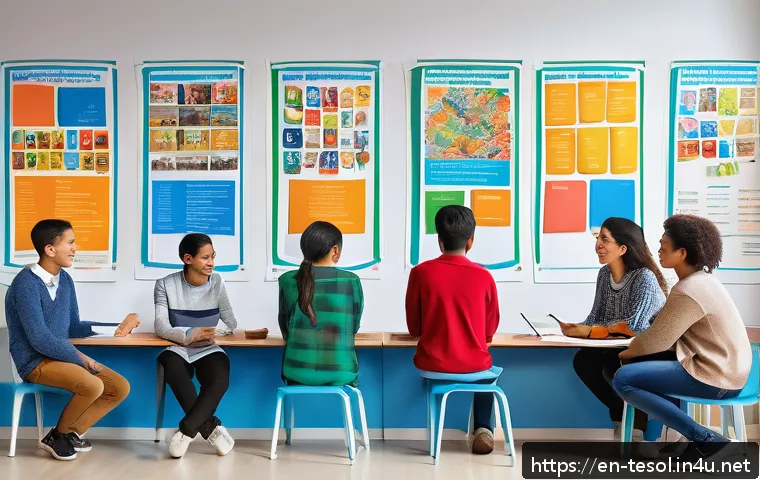
Visual materials such as pictures, videos, or infographics can be powerful tools for explaining cultural nuances. For instance, showing a short clip of a typical greeting in different cultures can spark discussions and questions.
When students see body language, social settings, or even classroom rituals visually, it becomes easier to grasp subtle differences that might be lost in verbal explanations alone.
I often combine this with group discussions to ensure that students not only understand but also reflect on their own cultural assumptions.
Adapting Teaching Strategies for Varied Learning Preferences
Incorporating Multimodal Instruction
Students from diverse cultural backgrounds often have different learning preferences—some favor visual aids, others auditory explanations, and some kinesthetic activities.
Relying solely on one teaching method can inadvertently disadvantage certain learners. I’ve learned that mixing lectures with videos, hands-on projects, and group work helps address these differences effectively.
This approach not only keeps lessons dynamic but also respects how students process information differently, reducing frustration and enhancing engagement.
Being Flexible with Language Expectations
Strict grammar correction or speaking fluency expectations might intimidate learners from cultures where making mistakes publicly is frowned upon. Instead of harshly correcting every error, I focus on encouraging communication and gradually refining language use.
This strategy builds confidence and reduces anxiety, which in turn improves overall participation. From my experience, a relaxed environment where mistakes are seen as natural steps toward mastery fosters more authentic language practice.
Encouraging Peer Support and Collaboration
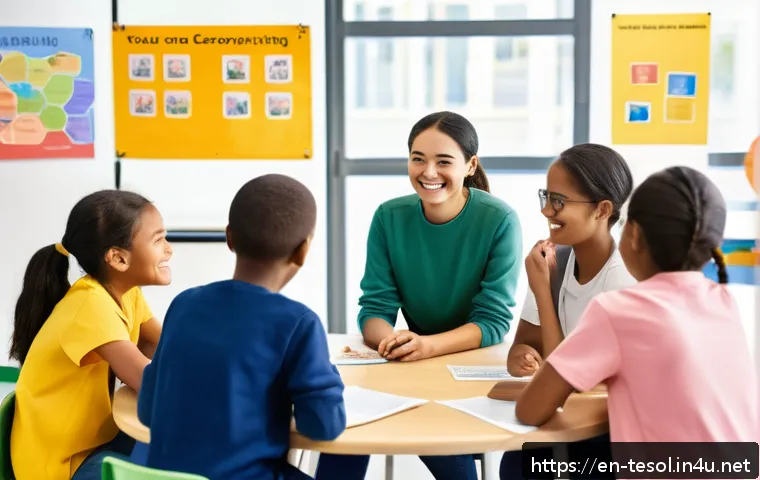
Peer interaction is invaluable in bridging cultural and linguistic gaps. Group projects or peer tutoring allow students to learn from each other’s strengths and perspectives.
When students collaborate, they naturally negotiate meanings, clarify misunderstandings, and develop social skills. I often assign mixed-culture pairs or groups intentionally to maximize these benefits.
Watching students support one another and celebrate diverse approaches is one of the most rewarding parts of teaching TESOL.
Recognizing and Managing Cultural Sensitivities
Identifying Potentially Sensitive Topics
Certain topics—such as religion, politics, or gender roles—can be delicate in multicultural classrooms. What’s acceptable in one culture might be taboo or controversial in another.
Being aware of these sensitivities is crucial to avoid discomfort or conflict. I usually ask students privately if there are subjects they prefer to avoid and adapt lesson plans accordingly.
This proactive approach shows respect for individual boundaries and helps maintain a positive classroom atmosphere.
Handling Conflicts with Cultural Sensitivity
When misunderstandings escalate into conflicts, how a teacher responds can either defuse or intensify the situation. I’ve found that staying calm, listening carefully to all sides, and acknowledging cultural differences often helps settle tensions.
Sometimes, bringing the group together to discuss the issue openly, with clear ground rules, can turn conflict into a valuable learning experience. It’s important to model respectful communication and empathy in these moments, reinforcing a culture of inclusion.
Promoting Respectful Language and Behavior
Establishing norms around respectful communication early on sets the tone for the entire course. I encourage students to avoid stereotypes, derogatory remarks, or assumptions about others’ backgrounds.
Positive reinforcement when students demonstrate cultural sensitivity or kindness goes a long way. Creating a classroom contract with input from all students can be an effective way to solidify these expectations and ensure everyone feels responsible for maintaining a respectful environment.
Leveraging Technology to Support Cross-Cultural Learning
Using Translation and Language Tools Wisely
Technology can be a double-edged sword in TESOL classrooms. Translation apps and online dictionaries help students understand complex instructions or vocabulary quickly, but overreliance might hinder language development.
I’ve noticed that when used thoughtfully—as a support rather than a crutch—these tools boost confidence and independence. Teaching students how to select reliable apps and use them strategically empowers them to navigate language barriers more effectively.
Incorporating Multimedia Resources from Diverse Cultures
Integrating videos, podcasts, and reading materials from various cultures enriches lessons and exposes students to authentic language use. For example, showing interviews with speakers from different English-speaking countries highlights accents, slang, and cultural references.
This exposure not only improves listening skills but also broadens cultural understanding, making students more adaptable communicators. I like to ask students to bring in their own cultural content as well, which personalizes learning and values their heritage.
Facilitating Virtual Exchanges and Pen Pal Programs
Connecting students with peers from other countries through virtual exchanges or pen pal programs provides real-world practice and cultural exchange. I’ve facilitated such programs where my students emailed or video-chatted with learners abroad.
These interactions motivate students by showing the practical use of their English skills and deepen cultural empathy. Plus, sharing stories from different parts of the world naturally sparks curiosity and enthusiasm in the classroom.
Summary of Common Cultural Differences and Classroom Implications
| Cultural Aspect | Potential Misunderstanding | Classroom Strategy |
|---|---|---|
| Communication Style | Direct feedback perceived as rude | Use clear, gentle explanations and check for understanding |
| Nonverbal Gestures | Gestures misinterpreted (e.g., thumbs-up) | Explain common gestures and encourage questions |
| Classroom Participation | Hesitance to speak up or interrupt | Set flexible participation rules and encourage sharing |
| Learning Preferences | Struggle with certain teaching methods | Incorporate multimodal instruction |
| Sensitive Topics | Offense taken over taboo subjects | Identify and respect sensitive topics early |
| Use of Technology | Overreliance on translation tools | Teach strategic, balanced use of tech aids |
글을 마치며
Bridging communication styles in diverse classrooms is essential for fostering understanding and respect among students. By recognizing cultural differences and adapting teaching methods accordingly, educators create a more inclusive and supportive learning environment. Embracing these strategies not only enhances language acquisition but also builds empathy and collaboration. Ultimately, cultural awareness enriches the educational experience for everyone involved.
알아두면 쓸모 있는 정보
1. Understanding whether your students come from direct or indirect communication cultures can prevent misinterpretations during feedback or discussions.
2. Nonverbal cues like gestures and eye contact vary widely; clarifying these early helps avoid unintended offense.
3. Flexible classroom participation rules that respect diverse cultural norms encourage more confident student engagement.
4. Mixing different teaching methods—visual, auditory, kinesthetic—caters to varied learning preferences and keeps students motivated.
5. Using technology as a supportive tool rather than a crutch empowers students to develop independence in language learning.
중요 사항 정리
Effective communication in multicultural classrooms requires sensitivity to different cultural norms and learning styles. Teachers should create a flexible, respectful environment that values diverse perspectives and encourages open dialogue. Addressing potential cultural misunderstandings proactively and promoting empathy through interactive activities can transform challenges into opportunities for growth. Incorporating varied teaching strategies and thoughtful use of technology further supports student success and confidence. Above all, fostering mutual respect and patience lays the foundation for a thriving, inclusive classroom community.
Frequently Asked Questions (FAQ) 📖
Q: How can TESOL teachers identify cultural misunderstandings before they escalate in the classroom?
A: From my experience, the key is active observation and open communication. Teachers should pay close attention to students’ nonverbal cues—like hesitation, confused looks, or body language that seems out of sync with the lesson.
Encouraging students to share their thoughts or ask questions without judgment also helps reveal misunderstandings early. Setting a classroom culture where it’s safe to express confusion or cultural differences makes a huge difference in catching issues before they grow.
Q: What strategies work best to resolve cultural misunderstandings during lessons?
A: When I’ve faced these moments, I found that pausing to explain the cultural context behind certain language uses or classroom expectations helps a lot.
Using real-life examples or stories that relate to the students’ backgrounds makes the explanation relatable and less intimidating. Sometimes, incorporating activities where students share their own cultural perspectives fosters empathy and reduces misinterpretations.
The key is patience and framing these misunderstandings as learning opportunities rather than mistakes.
Q: How can understanding cultural nuances improve overall classroom engagement and learning outcomes?
A: Understanding cultural nuances isn’t just about avoiding confusion—it actually builds trust and respect between teachers and students. When students feel their cultural identities are acknowledged and valued, they tend to participate more actively and confidently.
I’ve noticed that this inclusion encourages collaboration and open dialogue, leading to richer discussions and deeper language acquisition. Ultimately, it transforms the classroom into a vibrant community where everyone feels motivated to contribute and grow.