In today’s fast-evolving educational landscape, keeping language learners engaged is more crucial than ever. With remote and hybrid classrooms becoming the norm, TESOL educators are turning to innovative strategies that truly resonate with diverse learners.
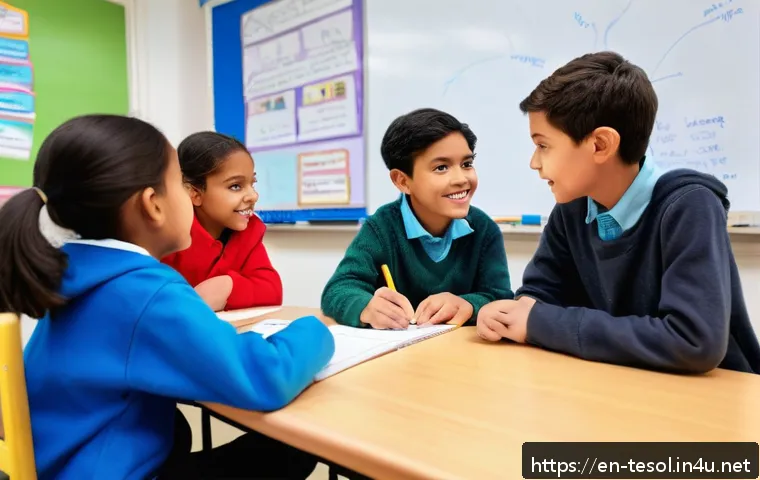
Whether it’s harnessing technology or incorporating culturally responsive teaching, these cutting-edge methods are reshaping how English is taught worldwide.
If you’ve ever wondered how to boost student participation or make lessons more dynamic, you’re in the right place. Let’s dive into the latest TESOL techniques that are transforming classrooms and inspiring both teachers and students alike.
Engaging Learners Through Personalized Storytelling
Using Student Experiences to Build Language Bridges
When students share their own stories, it creates a natural connection to the language being learned. Drawing from my classroom experience, I’ve noticed how inviting learners to talk about their daily lives or cultural traditions sparks genuine enthusiasm.
It’s not just about practicing grammar or vocabulary; it’s about making English a tool for self-expression. This approach encourages shy or hesitant learners to open up, as they feel their voice matters.
Instead of a one-size-fits-all lesson, storytelling allows each student to bring their unique background into the conversation, making the language come alive in ways textbooks often miss.
Crafting Collaborative Narratives for Deeper Engagement
Another powerful method is creating group stories where each student contributes a sentence or idea. This technique not only practices language skills but also builds teamwork and creativity.
I remember one class where students constructed a mystery story over several sessions. The excitement to hear what came next kept them eagerly participating.
It also gave me a chance to highlight new vocabulary and correct mistakes in context, which felt less intimidating than isolated drills. Collaborative narratives turn the classroom into a dynamic space where language evolves organically, and students feel proud of their collective creation.
Integrating Multimedia to Enhance Storytelling
Incorporating videos, images, and audio clips can significantly enrich storytelling activities. For example, showing a short clip or a picture before asking students to describe or continue the story provides visual cues that support comprehension.
Personally, I use multimedia to cater to different learning styles—some students grasp meaning better through visuals, others through sound. This variety keeps lessons fresh and prevents monotony.
Plus, digital tools enable learners to create their own multimedia stories, blending technology with language skills in a way that feels modern and relevant.
Fostering Cultural Awareness to Deepen Language Understanding
Bringing Global Perspectives into the Classroom
Language learning is inseparable from culture, so weaving cultural insights into lessons is crucial. When students explore customs, holidays, or everyday life from English-speaking countries, they gain context that makes communication more meaningful.
In my experience, students become more motivated when they realize language opens doors to understanding others’ worldviews. This cultural lens also helps prevent misunderstandings and promotes empathy.
Using authentic materials like news articles, interviews, or recipes enriches the experience, making culture tangible rather than abstract.
Encouraging Students to Share Their Own Cultures
Equally important is creating space for learners to showcase their cultural heritage. This reciprocal exchange not only builds respect but also boosts confidence.
I’ve seen how students light up when asked to teach classmates a traditional song, dance, or phrase in their native language. It turns the classroom into a vibrant mosaic of backgrounds and stories, reinforcing that learning English doesn’t mean losing one’s identity.
This practice cultivates a sense of belonging and mutual appreciation, which positively impacts participation and retention.
Addressing Stereotypes and Bias Through Discussion
Open conversations about stereotypes or cultural misunderstandings can be eye-opening. I find that guiding students through sensitive topics with care encourages critical thinking and language use beyond textbooks.
When learners discuss real-world issues like media representation or cultural assumptions, they engage in meaningful dialogue that sharpens their speaking and listening skills.
These discussions also foster a safe environment where diverse opinions are respected, helping learners become more thoughtful communicators in global contexts.
Leveraging Technology to Create Interactive Learning Experiences
Utilizing Gamified Platforms to Boost Motivation
Games and interactive apps have transformed language learning from a chore into an adventure. From my own teaching journey, incorporating platforms like Kahoot or Quizlet has led to noticeable spikes in student energy and focus.
These tools turn vocabulary drills and grammar exercises into friendly competitions, which is especially effective for younger learners or those who thrive on instant feedback.
The immediate rewards and progress tracking keep motivation high and encourage consistent practice outside of class.
Incorporating Virtual Reality for Immersive Practice
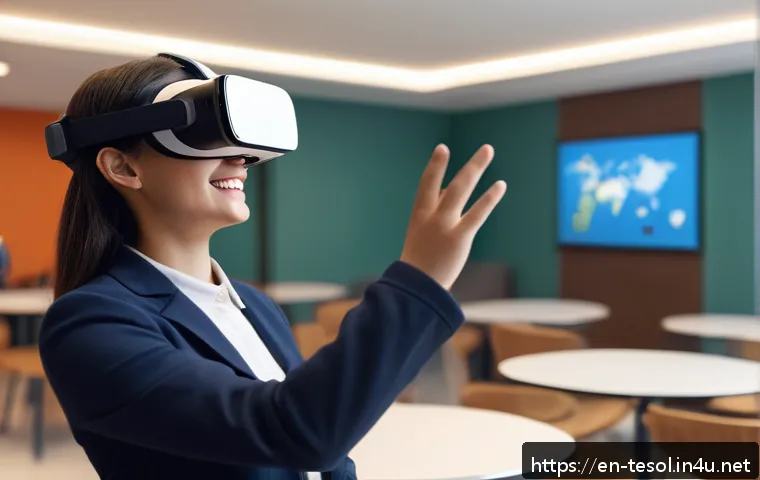
Virtual reality (VR) is an emerging frontier in TESOL that’s gaining traction. I’ve experimented with VR environments where students can simulate real-life situations like ordering food or checking into a hotel.
This immersive context helps learners practice language in a low-pressure setting, building confidence before facing similar scenarios in the real world.
Although VR requires access to equipment, even smartphone-based apps offer valuable immersive experiences. This hands-on approach accelerates language acquisition by making practice feel authentic and relevant.
Facilitating Peer Interaction Through Online Forums
Creating online spaces where students can discuss topics, share resources, or collaborate on projects extends learning beyond the classroom. In my classes, forums and chat groups have proven invaluable for encouraging shy students to participate more freely.
These platforms also support asynchronous communication, allowing learners to engage at their own pace. Peer feedback and social interaction foster a sense of community, which is essential for sustained engagement and language development.
Designing Assessments That Inspire Growth and Confidence
Using Formative Assessments to Guide Learning
Rather than relying solely on traditional tests, formative assessments provide ongoing feedback that helps students track their progress. I’ve found that quizzes, journals, and peer reviews offer a less stressful way to monitor understanding while highlighting areas for improvement.
This continuous feedback loop motivates learners to take ownership of their growth and reduces anxiety often associated with high-stakes exams. It also allows me to tailor instruction to individual needs, ensuring no one falls behind.
Incorporating Self-Assessment and Reflection
Encouraging students to evaluate their own work promotes metacognition—the ability to think about one’s learning process. I often ask learners to set goals and reflect on their achievements, which helps them recognize strengths and identify challenges.
This practice builds independence and resilience, vital qualities for lifelong language learners. Reflection activities can range from simple checklists to detailed journals, depending on the proficiency level and classroom context.
Balancing Standardized and Authentic Assessment Methods
While standardized tests have their place, authentic assessments like presentations, portfolios, or role-plays provide a more comprehensive picture of language ability.
I try to include a mix of both to accommodate different learner profiles and objectives. Authentic tasks simulate real-world communication, preparing students for practical use of English beyond the classroom.
This balanced approach helps maintain fairness while fostering meaningful skill development.
Creating a Supportive Environment That Encourages Risk-Taking
Building Trust Through Positive Teacher-Student Relationships
A classroom where students feel safe to make mistakes is essential for language growth. From my perspective, the foundation lies in genuine rapport. Taking time to know students personally, showing empathy, and celebrating small victories build trust.
When learners believe their teacher supports them, they are more willing to take risks and experiment with new language forms without fear of embarrassment.
This supportive atmosphere transforms errors into valuable learning opportunities.
Implementing Encouraging Feedback Strategies
How feedback is delivered can make or break a student’s confidence. I focus on constructive comments that highlight what was done well before gently addressing errors.
Using phrases like “I noticed your excellent use of past tense here” followed by suggestions feels less intimidating. Positive reinforcement paired with clear guidance motivates students to keep improving.
Over time, they develop a growth mindset, viewing challenges as stepping stones rather than obstacles.
Promoting Peer Support and Collaborative Learning
Encouraging students to help and learn from each other fosters a community spirit. Group work, peer editing, and study buddies create a network where learners feel less isolated.
I’ve seen how peer encouragement can boost morale, especially for those struggling with confidence. This collaborative culture not only enhances language practice but also nurtures interpersonal skills, preparing students for diverse social and professional environments.
Balancing Skill Development for Holistic Language Mastery
Integrating Listening, Speaking, Reading, and Writing Seamlessly
Rather than teaching language skills in isolation, combining them creates a more realistic learning experience. For example, I often design lessons where students listen to a short story, discuss it, then write a response.
This integration mirrors natural language use and reinforces retention. It also caters to different learning preferences and keeps classes dynamic. Balancing all four skills ensures learners develop comprehensive communication abilities vital for real-world interactions.
Adapting Activities to Different Proficiency Levels
In diverse classrooms, tailoring tasks is key. I differentiate by providing varied materials or scaffolding support so every student can participate meaningfully.
For instance, beginners might focus on simple sentence construction while advanced learners analyze complex texts. This inclusive approach prevents frustration and boredom, maintaining engagement across the spectrum.
It also allows each learner to progress at a comfortable yet challenging pace.
Using Authentic Materials to Connect Learning with Reality
Incorporating newspapers, podcasts, menus, or advertisements exposes students to real English outside textbooks. I find that authentic materials spark curiosity and demonstrate practical language use.
They also help learners understand cultural nuances and idiomatic expressions, which are often missing from traditional resources. This connection to the real world makes lessons more relevant and prepares students for everyday communication.
| Technique | Benefits | Practical Example |
|---|---|---|
| Personalized Storytelling | Boosts engagement; encourages self-expression; builds confidence | Students share cultural traditions in English, creating a class story |
| Culturally Responsive Teaching | Enhances cultural awareness; fosters empathy; respects diversity | Students present on their own holidays and learn about others’ |
| Technology Integration | Increases motivation; offers immersive practice; supports diverse learners | Using VR to simulate real-world conversations |
| Formative and Authentic Assessments | Provides continuous feedback; reduces test anxiety; develops real skills | Portfolios showcasing written and spoken work over time |
| Supportive Classroom Environment | Builds trust; encourages risk-taking; promotes collaboration | Peer editing sessions with positive feedback guidelines |
| Balanced Skill Development | Ensures holistic language mastery; adapts to learner levels; connects to reality | Combining listening to podcasts with follow-up writing tasks |
Conclusion
Personalized storytelling and culturally responsive teaching transform language learning into a meaningful and engaging journey. By integrating technology, fostering supportive environments, and balancing skill development, educators can inspire confidence and authentic communication. These approaches not only enhance language proficiency but also build empathy and a global mindset among learners.
Helpful Information
1. Encourage students to share their personal experiences to make lessons more relatable and engaging.
2. Use collaborative storytelling to boost creativity and teamwork while practicing language skills.
3. Incorporate multimedia and technology like VR to cater to diverse learning styles and increase motivation.
4. Apply formative and authentic assessments to provide ongoing feedback and reduce anxiety.
5. Create a positive classroom atmosphere that fosters trust, risk-taking, and peer support for optimal growth.
Key Takeaways
Effective language teaching goes beyond grammar drills by embracing students’ backgrounds and experiences. Combining cultural awareness with innovative technology and balanced assessments creates a well-rounded learning environment. Building trust and encouraging collaboration empower learners to take risks and develop confidence. Tailoring activities to proficiency levels and using authentic materials ensure lessons stay relevant and practical for real-life communication.
Frequently Asked Questions (FAQ) 📖
Q: How can technology be effectively integrated into TESOL classrooms to boost student engagement?
A: Integrating technology in TESOL classrooms goes beyond just using digital tools; it’s about creating interactive and personalized learning experiences.
From my experience, using platforms like Kahoot or Quizlet transforms routine vocabulary drills into lively competitions that students genuinely enjoy.
Video conferencing tools enable real-time conversations with native speakers, making lessons more authentic and motivating. The key is to balance tech use with clear learning goals, ensuring it supports, not distracts, students.
When done right, technology becomes a bridge that connects learners to real-world English, keeping them curious and involved.
Q: What are some culturally responsive teaching strategies that enhance participation in diverse English learning groups?
A: Culturally responsive teaching means recognizing and valuing the backgrounds of all learners and weaving that into your lessons. I’ve found that starting classes with sharing cultural stories or idioms encourages students to contribute because they see their identity respected.
Incorporating diverse reading materials or multimedia that reflect different cultures also sparks interest and discussion. It’s crucial to create a safe space where students feel comfortable expressing themselves without fear of judgment.
When students recognize their culture in the curriculum, their engagement and confidence naturally rise, making participation more vibrant and meaningful.
Q: How can TESOL teachers maintain student motivation in remote or hybrid learning environments?
A: Maintaining motivation remotely can be challenging, but it’s totally achievable with intentional strategies. From what I’ve observed, breaking lessons into shorter, varied activities helps keep attention from waning.
Using breakout rooms for small group work fosters connection and peer support, which combats the isolation of virtual learning. Regular feedback that is encouraging and specific also plays a huge role in keeping students motivated—they want to know they’re progressing.
Lastly, incorporating real-life tasks like virtual tours or project-based assignments makes learning feel relevant and exciting, which keeps students coming back eager to participate.