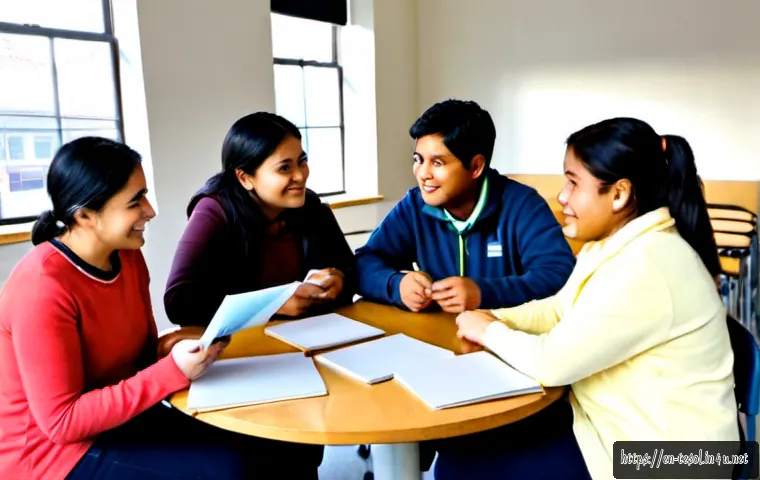
In today’s fast-evolving educational landscape, maintaining ethical standards in TESOL classrooms has never been more crucial. As language teachers, building trust and respect with diverse learners sets the foundation for effective communication and meaningful progress.

Recent discussions around cultural sensitivity and digital learning ethics highlight the need for clear guidelines that empower educators to navigate complex situations confidently.
Whether you’re a seasoned instructor or just starting out, mastering TESOL ethics is key to fostering an inclusive, respectful environment where every student feels valued.
Let’s explore essential principles that not only enhance your teaching practice but also deepen your connection with learners worldwide.
Creating a Classroom Atmosphere of Mutual Respect
Understanding Learners’ Diverse Backgrounds
Language classrooms are vibrant melting pots of cultures, values, and personal histories. One thing I’ve learned through experience is that taking time to genuinely understand where each student comes from goes beyond surface-level greetings or icebreaker activities.
It means actively listening to their stories, acknowledging their unique challenges, and tailoring your approach to honor those differences. When students feel recognized not just as language learners but as individuals with rich cultural tapestries, trust naturally builds.
This trust is essential because it encourages risk-taking in language use—something every TESOL teacher hopes for. I recall a student from a conservative background who hesitated to speak up initially, but after I showed genuine interest in her culture and adapted classroom discussions accordingly, her confidence soared.
Setting Clear Expectations Together
A respectful environment isn’t created by rules imposed from the top down—it grows from mutual agreement. Early in the course, I invite students to contribute ideas on classroom norms, especially around communication styles, participation, and respectful disagreement.
This collaborative approach makes everyone accountable and reduces misunderstandings. For example, some cultures view direct eye contact as respectful, while others find it intrusive.
By discussing these nuances upfront, we avoid unintended offense and foster empathy. Setting expectations collectively also empowers students to hold each other accountable, which lightens the teacher’s role and strengthens peer relationships.
Responding Thoughtfully to Cultural Missteps
No matter how well-prepared we are, cultural misunderstandings will happen. The key is responding with patience and openness rather than judgment. When a student unintentionally says or does something that may be offensive in another culture, I’ve found that addressing it calmly and as a learning opportunity rather than a reprimand helps maintain a positive classroom vibe.
For instance, once a student used a phrase that was considered inappropriate in another student’s culture. Instead of singling them out, I framed it as a chance to explore language differences and cultural sensitivity.
This approach diffuses tension and models respectful communication for everyone.
Balancing Technology Use with Ethical Responsibility
Protecting Student Privacy in Digital Platforms
With remote and hybrid learning becoming the norm, safeguarding student data has become a top priority. Early in my online teaching career, I underestimated how vulnerable students’ personal information could be.
Now, I’m very careful about which platforms I use and always ensure they comply with data protection laws like GDPR or FERPA. I also inform students about how their data will be used and stored, which builds transparency and trust.
Simple steps like using password-protected meetings, avoiding recording sessions without consent, and educating students on cybersecurity basics make a huge difference in creating a safe digital space.
Encouraging Academic Integrity Online
The temptation to cut corners grows when students aren’t physically present, so promoting honesty is crucial. From my experience, the best way to combat plagiarism and cheating isn’t just strict monitoring but cultivating a classroom culture where integrity matters.
I design assignments that require personal reflection and real-world application, making it harder to rely on copied content. Additionally, open discussions about why academic honesty benefits learners in the long run help internalize these values.
Transparency about grading criteria and encouraging questions also reduce anxiety, which often leads to dishonest behavior.
Adapting to Technological Inequities
Not every student has equal access to high-speed internet, updated devices, or quiet study spaces. I’ve come to realize that ethical teaching means acknowledging these disparities and adapting accordingly.
Offering asynchronous options, flexible deadlines, and low-bandwidth materials are ways I’ve tried to level the playing field. This flexibility isn’t about lowering standards but about equity—giving every learner a fair chance to succeed despite their circumstances.
Communicating with Sensitivity and Clarity
Choosing Words That Empower
Language is a powerful tool, especially in a TESOL classroom. I’ve learned that the way we phrase feedback or instructions can either motivate or discourage learners.
Using positive, constructive language helps students feel capable and supported. For instance, saying “You’re improving steadily” instead of “You made mistakes” shifts focus to growth rather than failure.
This small change in tone can boost confidence and encourage persistence. I also avoid idioms or slang that might confuse non-native speakers unless I explicitly teach them, making communication clearer and more inclusive.
Active Listening as a Teaching Practice
Teaching isn’t just about talking; it’s about truly hearing students. Active listening means giving full attention, asking clarifying questions, and reflecting back what’s been said.
This approach builds rapport and shows respect for learners’ voices. I remember a time when a student was struggling but hesitant to ask for help. By creating opportunities for one-on-one chats and listening without interruption, I uncovered barriers she was facing outside class.
This insight allowed me to provide targeted support that made a real difference in her progress.
Handling Sensitive Topics with Care
Discussing cultural or social issues can enrich language learning but also risks discomfort or conflict. I’ve found that setting ground rules for respectful dialogue, encouraging multiple perspectives, and steering conversations away from stereotyping helps maintain a safe space.
Preparing students with vocabulary and phrases for polite disagreement also equips them to engage thoughtfully. When heated moments arise, I intervene gently to de-escalate and redirect focus to learning objectives.
Maintaining Professional Boundaries While Being Approachable
Building Rapport Without Overstepping
It’s a fine line between being friendly and maintaining professionalism. From my own experience, students respond best when teachers are warm and approachable but clear about boundaries.
Sharing some personal stories or interests can humanize the teacher and create connection, but oversharing or engaging in inappropriate topics can undermine authority and respect.
I’ve learned to keep conversations focused on academic or cultural topics and gently steer away from personal matters unless the student initiates and it’s appropriate.
Handling Conflicts with Fairness
Conflicts inevitably arise in any group setting, and how a teacher manages them speaks volumes about their professionalism. I strive to listen to all sides without bias and mediate calmly.

Sometimes it helps to revisit agreed-upon norms or involve a neutral third party if necessary. The goal is to resolve issues in a way that respects everyone’s dignity and restores a positive learning environment.
Reflecting afterward on what triggered the conflict also helps me prevent similar situations in the future.
Recognizing When to Seek Support
No teacher can or should handle every challenge alone. Knowing when to ask for help from colleagues, counselors, or administration is part of ethical practice.
In one instance, I noticed a student exhibiting signs of distress beyond my expertise. I referred her to the school counselor, which was the right call for her well-being.
This kind of professional humility not only protects students but also models healthy boundaries for learners.
Upholding Transparency and Accountability
Clear Communication About Assessment
Students appreciate knowing exactly how their work will be evaluated. I make it a point to share detailed rubrics and explain grading criteria early on.
This transparency reduces anxiety and helps learners focus on improvement rather than guessing what’s expected. When I provide feedback, I highlight strengths alongside areas for growth, making the process feel balanced and fair.
Over time, students become more self-aware and engaged in their learning journey.
Admitting and Learning from Mistakes
Even seasoned teachers slip up, and acknowledging errors openly builds trust. I’ve found that when I admit a mistake—whether it’s a scheduling error, miscommunication, or misunderstanding—it humanizes me and encourages students to do the same.
This culture of openness fosters mutual respect and continuous learning. For example, once I mispronounced a student’s name repeatedly and apologized sincerely; the student appreciated it and felt more comfortable participating afterward.
Maintaining Consistency in Policies
Consistency is crucial for fairness. Applying rules and consequences uniformly prevents perceptions of favoritism or bias. I document policies clearly and revisit them regularly to ensure I uphold them without exception.
When exceptions are necessary, I explain the reasoning transparently to avoid confusion. This approach supports a stable environment where students know what to expect and feel treated equitably.
Encouraging Lifelong Ethical Awareness
Modeling Ethical Behavior
Teachers are role models, and our actions often speak louder than words. By demonstrating honesty, respect, and empathy daily, I hope to instill these values in my students.
Whether it’s how I handle deadlines, interact with colleagues, or respond to challenges, I strive to lead by example. I’ve noticed that students who observe ethical behavior in their teachers often mirror it in their own conduct.
Integrating Ethics Into Curriculum
Ethics doesn’t have to be an abstract concept; it can be woven into lessons naturally. I incorporate discussions about fairness, respect, and responsibility into reading materials, writing prompts, and group projects.
This integration helps students see ethics as relevant to their lives and language use. For instance, analyzing news articles about cultural misunderstandings or digital privacy sparks meaningful conversation and critical thinking.
Promoting Reflective Practice
Regular self-reflection is a powerful tool for ethical growth. I keep a teaching journal where I jot down moments that challenged me ethically and how I responded.
This habit has helped me identify patterns and improve decision-making over time. I encourage other educators to adopt reflective practices, whether through journaling, peer discussions, or professional development workshops.
It’s a continuous journey that deepens both personal and professional integrity.
| Ethical Principle | Practical Strategy | Benefits |
|---|---|---|
| Respect for Diversity | Learn about student backgrounds; set collaborative norms | Builds trust; encourages participation; reduces misunderstandings |
| Digital Responsibility | Use secure platforms; inform about data use; flexible access | Protects privacy; promotes equity; maintains academic integrity |
| Clear Communication | Use positive language; active listening; handle sensitive topics carefully | Enhances understanding; fosters confidence; prevents conflict |
| Professional Boundaries | Balance approachability with authority; mediate fairly; seek support when needed | Maintains respect; resolves conflicts; ensures student welfare |
| Transparency and Accountability | Share assessment criteria; admit mistakes; apply policies consistently | Reduces anxiety; builds trust; ensures fairness |
| Lifelong Ethical Awareness | Model behavior; integrate ethics in lessons; practice reflection | Inspires students; enriches curriculum; promotes continuous growth |
In Conclusion
Creating a classroom environment rooted in mutual respect and ethical awareness is essential for effective language learning. By embracing diversity, fostering clear communication, and maintaining professional boundaries, teachers can nurture trust and engagement. Integrating these principles not only supports students’ growth but also enriches the teaching experience. Ultimately, ethical practices pave the way for a positive and inclusive learning community.
Useful Information to Remember
1. Understanding and valuing students’ diverse backgrounds helps build trust and encourages active participation in class.
2. Protecting privacy and promoting fairness in digital learning environments are crucial for ethical teaching today.
3. Using positive language and practicing active listening enhances student confidence and prevents misunderstandings.
4. Maintaining professional boundaries while being approachable ensures respect and effective conflict resolution.
5. Transparency in assessment and openness about mistakes foster fairness and strengthen teacher-student relationships.
Key Takeaways
Establishing mutual respect in the classroom requires intentional efforts to understand learners, set shared expectations, and respond thoughtfully to cultural differences. Ethical technology use means safeguarding privacy, promoting equity, and encouraging integrity. Clear, sensitive communication combined with professional boundaries creates a supportive atmosphere where students feel valued and safe. Transparency and accountability build trust, while ongoing reflection and ethical modeling inspire lifelong learning and responsible behavior. These core elements work together to create a thriving, respectful educational environment.
Frequently Asked Questions (FAQ) 📖
Q: uestions about TESOL EthicsQ1: How can TESOL teachers ensure cultural sensitivity in a diverse classroom?
A: Embracing cultural sensitivity starts with genuine curiosity and respect for students’ backgrounds. I’ve found that actively learning about learners’ cultures, encouraging open discussions about differences, and avoiding assumptions helps create a safe space.
Incorporating culturally relevant materials and being mindful of language that might unintentionally stereotype or exclude also goes a long way. When teachers model openness and empathy, students feel valued, which boosts engagement and trust.
Q: What ethical challenges arise with digital learning in TESOL, and how can teachers address them?
A: Digital learning introduces issues like student privacy, equitable access, and maintaining academic integrity. From my experience, setting clear expectations about online behavior and confidentiality from the start is essential.
Using secure platforms and regularly checking that all students can access materials helps minimize disparities. It’s also important to be transparent about how data is collected and used.
When challenges pop up, addressing them promptly and fairly reinforces a respectful virtual classroom culture.
Q: Why is it important for new TESOL instructors to understand ethical principles, and how can they apply them effectively?
A: For newcomers, grasping TESOL ethics isn’t just about rules—it’s about building trust and fostering an environment where every student feels safe to express themselves.
Early on, reflecting on one’s own biases and seeking mentorship can provide valuable perspective. Applying ethics means consistently treating students with fairness, respecting confidentiality, and adapting to their needs without judgment.
I’ve noticed that instructors who prioritize these values develop stronger rapport with learners, which naturally improves learning outcomes and classroom harmony.