In today’s interconnected world, TESOL educators hold a unique power to shape not only language skills but also global understanding and social change.
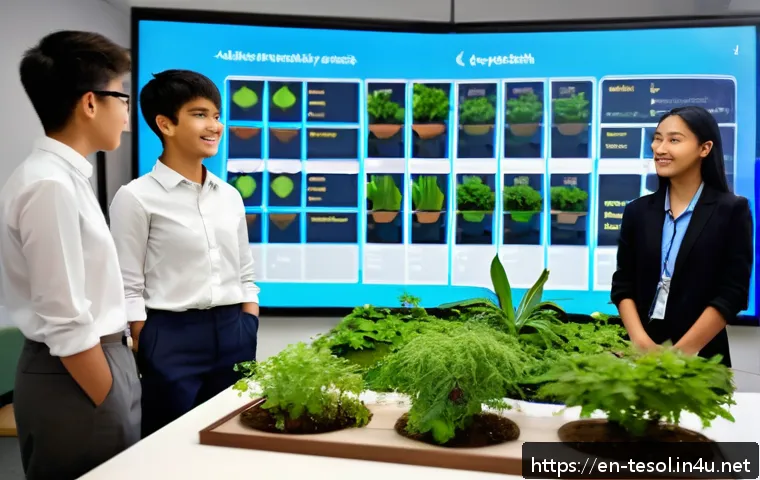
With increasing cultural diversity in classrooms and the urgent need for inclusivity, the role of teachers extends far beyond traditional instruction.
It’s fascinating to explore how TESOL professionals can actively contribute to empowering communities worldwide, fostering empathy, and promoting equity.
As we dive deeper into this topic, you’ll discover practical insights and inspiring examples that highlight the real-world impact of socially responsible teaching.
Stay with me to uncover how education can be a catalyst for positive transformation across borders.
Building Bridges Through Language and Culture
Creating Inclusive Learning Environments
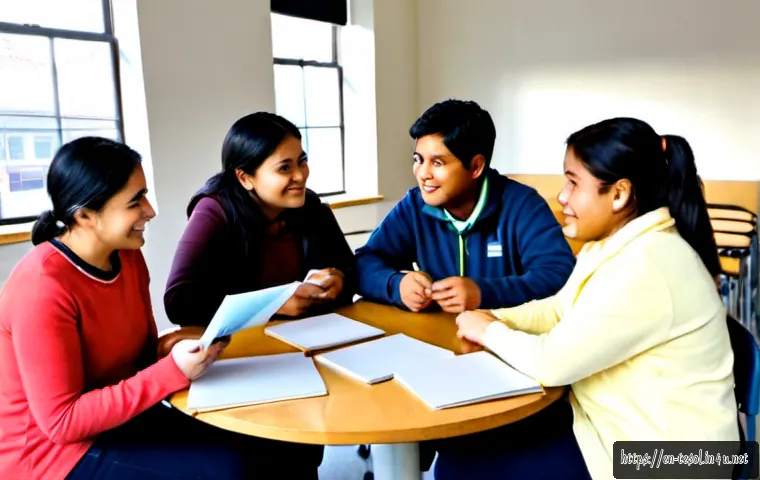
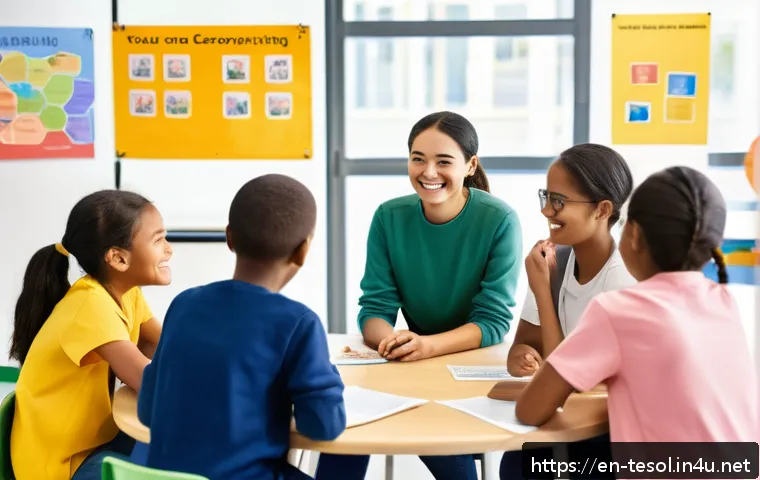
As a TESOL educator, one of the most impactful ways to foster social responsibility is by cultivating classrooms where every student feels seen and valued.
From my experience, it’s not just about teaching grammar or vocabulary; it’s about shaping a space where cultural differences become strengths rather than barriers.
This means adapting lesson plans to reflect diverse backgrounds, encouraging students to share their unique stories, and addressing biases openly. When students witness respect for their identities, motivation skyrockets, and learning deepens.
It’s a continuous process of listening, adjusting, and growing alongside your learners.
Leveraging Multicultural Perspectives for Empathy
Incorporating multicultural content isn’t just a checkbox on a syllabus—it’s an invitation to develop empathy. I remember one class where we explored global holidays, and students from different countries explained their traditions.
The curiosity and respect that blossomed were palpable. This approach helps learners see beyond stereotypes and recognize shared human experiences. It’s about using language as a tool to open minds, encouraging students to step into others’ shoes through stories, discussions, and collaborative projects.
Empathy cultivated this way often extends outside the classroom, influencing how students interact in their communities.
Encouraging Student Voices as Agents of Change
Empowerment is a powerful outcome when students realize their voices matter. In my teaching journey, I’ve seen how giving learners opportunities to discuss social issues in English—whether it’s environmental concerns or social justice—sparks enthusiasm and critical thinking.
This isn’t just about language practice; it’s about nurturing global citizens who feel capable of making a difference. Project-based learning, debates, and reflective writing can be fantastic methods to amplify student agency.
When students recognize their ability to communicate ideas and influence others, their confidence and engagement soar.
Innovative Pedagogies that Embrace Social Justice
Integrating Critical Pedagogy into TESOL
Critical pedagogy challenges traditional teacher-centered models by encouraging learners to question power structures and societal norms. In TESOL, this means guiding students to analyze language use in media, politics, and everyday life critically.
For example, I introduced my intermediate learners to news articles that contained biased language and asked them to identify and discuss these elements.
This approach not only sharpens language skills but also develops critical consciousness, helping learners become aware of how language can perpetuate inequality.
Project-Based Learning with a Social Focus
Projects centered on community issues or global challenges allow students to apply English in meaningful contexts. I once had a group of students research local environmental problems and then present their findings and solutions to the class.
This method encourages collaboration, research skills, and real-world application of language. It also connects classroom learning to students’ lived experiences, making lessons more relevant and impactful.
The satisfaction students get from contributing to tangible causes often drives deeper commitment to language mastery.
Using Technology to Connect Global Communities
Digital tools have revolutionized TESOL by breaking down geographical barriers. Facilitating exchanges with classrooms abroad or participating in virtual cultural exchanges can broaden students’ horizons dramatically.
From my practical experience, platforms like video conferencing or shared blogs enable learners to practice language authentically while gaining insight into different cultures.
These interactions promote global empathy and cooperation, reinforcing that language learning is not just academic but a bridge to worldwide understanding.
Supporting Equity Through Tailored Instruction
Addressing Diverse Learning Needs
Every classroom is a mosaic of abilities, backgrounds, and learning styles. Effective TESOL teaching involves recognizing and accommodating these differences to ensure equity.
I’ve found that differentiated instruction—offering varied tasks or scaffolding—helps all students access content without feeling overwhelmed or sidelined.
For example, pairing stronger readers with those needing more support fosters peer learning and builds community. Equity means more than equal treatment; it requires intentional strategies that meet each learner where they are.
Advocating for Access to Resources
Many learners face barriers outside the classroom, such as limited internet access or lack of learning materials. As teachers, advocating for and facilitating access to resources is part of our social role.
In my school, collaborating with local libraries and community centers to provide free materials or internet hotspots has made a noticeable difference.
Highlighting these challenges to administrators and policymakers can also lead to systemic improvements. Acknowledging and addressing these inequities helps level the playing field for all learners.
Fostering Lifelong Learning Attitudes
Equity is also about empowering students to continue learning beyond formal settings. Encouraging curiosity, resilience, and self-directed learning equips learners to navigate future challenges.
I often introduce strategies for independent study and highlight free online resources tailored to their interests. Celebrating progress, no matter how small, builds confidence and a growth mindset.
When students believe in their ability to learn continuously, they become agents of their own success and contributors to more equitable societies.
Collaborating with Communities for Broader Impact
Building Partnerships with Families and Local Groups
TESOL teaching doesn’t happen in isolation. Engaging families and community organizations can extend the impact of education. I’ve organized cultural nights where families share food and stories, strengthening bonds and fostering mutual respect.

These events also create safe spaces for dialogue about language learning challenges and successes. Collaborations with local nonprofits or immigrant support groups can provide students with additional resources and opportunities, turning education into a community effort.
Engaging in Advocacy and Policy Discussions
TESOL educators can amplify their social responsibility by participating in conversations about language education policies. Sharing classroom insights with school boards or community leaders helps shape more inclusive and effective programs.
I’ve attended local education forums to advocate for bilingual support services and culturally responsive curricula. Being an informed and vocal advocate connects teaching practice with broader social change, benefiting learners far beyond the classroom walls.
Promoting Volunteerism and Service Learning
Encouraging students to engage in volunteer work tied to their language skills fosters social responsibility firsthand. For instance, organizing opportunities for learners to tutor peers or assist in community centers helps them practice English while giving back.
I’ve witnessed how these experiences boost confidence and cultural awareness, making language learning deeply meaningful. Service learning links education to action, nurturing compassionate, engaged global citizens.
Measuring Impact Through Reflective Practice
Collecting Feedback and Adapting Strategies
Effective socially responsible teaching requires ongoing reflection. I regularly solicit feedback from students about what works and what doesn’t, adjusting my methods accordingly.
This practice not only improves instruction but models lifelong learning for students. Reflection also helps identify subtle barriers that might go unnoticed, such as classroom dynamics or material relevance.
Being responsive to learner voices strengthens trust and effectiveness.
Assessing Social and Emotional Growth
Beyond language proficiency, assessing empathy, intercultural competence, and critical thinking is crucial. I incorporate reflective journals and group discussions to gauge these areas.
While less quantifiable than grammar tests, these indicators reveal how deeply students engage with social issues and their development as global citizens.
Tracking such growth validates the broader goals of TESOL and highlights areas needing further attention.
Documenting Success Stories and Challenges
Sharing narratives of student progress and classroom innovations helps build a community of practice among TESOL professionals. I maintain a portfolio of success stories and lessons learned, which I share at conferences and online forums.
These stories inspire others and contribute to the collective knowledge about socially responsible language teaching. Transparency about challenges faced also encourages realistic expectations and collaborative problem-solving.
Practical Tools to Empower TESOL Educators
Resource Banks for Culturally Responsive Materials
Access to diverse teaching materials can be a game-changer. I’ve curated collections of books, videos, and articles representing various cultures and perspectives.
These resources help ensure lessons resonate with all students and promote inclusivity. Sharing these banks with colleagues creates a support network that elevates teaching quality school-wide.
Professional Development Focused on Social Responsibility
Ongoing training is essential to stay informed and effective. Workshops on anti-bias education, trauma-informed teaching, and culturally sustaining pedagogy have enriched my practice immensely.
Seeking out or organizing such opportunities empowers educators to tackle complex social issues confidently and sensitively.
Technology Tools for Enhanced Engagement
Incorporating apps and platforms that promote collaboration and creativity can boost student involvement. Tools like Padlet, Flipgrid, or Kahoot! allow students to express themselves in varied ways, catering to different learning styles.
When used thoughtfully, technology can amplify student voices and foster a dynamic, inclusive classroom atmosphere.
| Strategy | Description | Impact |
|---|---|---|
| Inclusive Curriculum Design | Adapting materials and activities to reflect diverse cultures and experiences | Increases student engagement and sense of belonging |
| Critical Pedagogy | Encouraging learners to analyze and question societal power structures through language | Develops critical thinking and social awareness |
| Community Collaboration | Partnering with families and local organizations to support learners | Extends learning beyond the classroom and strengthens support networks |
| Project-Based Learning | Engaging students in real-world issues through collaborative projects | Enhances practical language use and social responsibility |
| Reflective Practice | Regularly evaluating teaching methods and student feedback | Improves instructional effectiveness and responsiveness |
| Technology Integration | Using digital tools to facilitate communication and cultural exchange | Broadens perspectives and increases student motivation |
Conclusion
Building bridges through language and culture is more than teaching—it’s about creating inclusive, empathetic communities where every learner thrives. By embracing diverse perspectives and encouraging active participation, educators empower students to become confident global citizens. The journey of socially responsible teaching is ongoing, rewarding, and essential for shaping a more connected world.
Helpful Information
1. Inclusive teaching practices boost student motivation and foster a sense of belonging, which enhances learning outcomes.
2. Integrating multicultural content encourages empathy and helps break down stereotypes among learners.
3. Project-based and technology-supported learning provide authentic language experiences linked to real-world issues.
4. Tailoring instruction to diverse needs ensures equity, making education accessible and meaningful for all students.
5. Engaging families and communities enriches the educational experience and supports broader social impact.
Key Takeaways
Effective TESOL teaching combines cultural responsiveness with critical thinking and community involvement. It requires continuous reflection, adaptation, and advocacy to address learners’ unique challenges and empower them as agents of change. Incorporating innovative pedagogies and technology can deepen engagement and promote lifelong learning, ultimately fostering inclusive environments where language opens doors to global understanding.
Frequently Asked Questions (FAQ) 📖
Q: How can TESOL educators promote inclusivity in culturally diverse classrooms?
A: TESOL educators can promote inclusivity by creating learning environments that respect and celebrate cultural differences. This involves incorporating diverse materials that reflect students’ backgrounds, encouraging open dialogue about cultural experiences, and adapting teaching methods to meet varied learning styles.
From my experience, when teachers actively acknowledge and value each student’s identity, it fosters a sense of belonging and motivates learners to engage more deeply.
Additionally, using collaborative projects that require peer interaction helps build empathy and breaks down cultural barriers naturally.
Q: In what ways does TESOL teaching contribute to social change beyond language acquisition?
A: TESOL teaching goes beyond language skills by empowering learners to participate fully in society, advocate for their rights, and connect with others across cultural divides.
Through socially responsible teaching practices—like integrating topics on social justice, equity, and community issues—educators help students develop critical thinking and empathy.
I’ve seen firsthand how discussing real-world challenges in class can inspire students to become active agents of change in their communities, transforming education into a platform for social empowerment rather than just language learning.
Q: What practical strategies can TESOL professionals use to empower communities globally?
A: TESOL professionals can empower communities by designing programs that address specific local needs, collaborating with community organizations, and promoting multilingualism as a tool for inclusion.
For example, offering workshops that combine language learning with vocational skills or civic education can directly improve learners’ quality of life.
From what I’ve observed, when educators partner with local leaders and listen carefully to community voices, the impact is far more meaningful and sustainable.
It’s about building bridges through language while nurturing confidence and agency in learners worldwide.