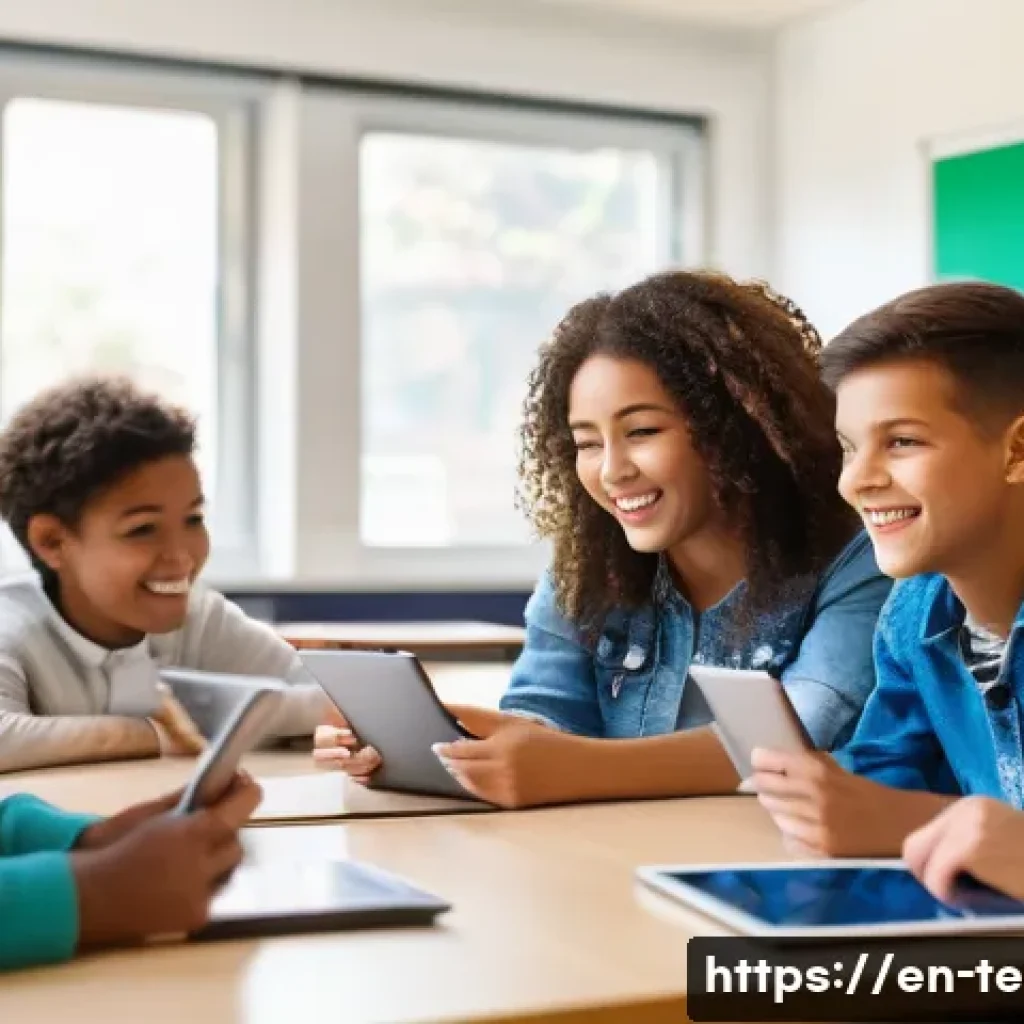
In today’s dynamic language classrooms, TESOL instructors rely heavily on a variety of tools to enhance learning and keep students engaged. From interactive apps to digital whiteboards, these resources help tailor lessons to diverse needs and learning styles.
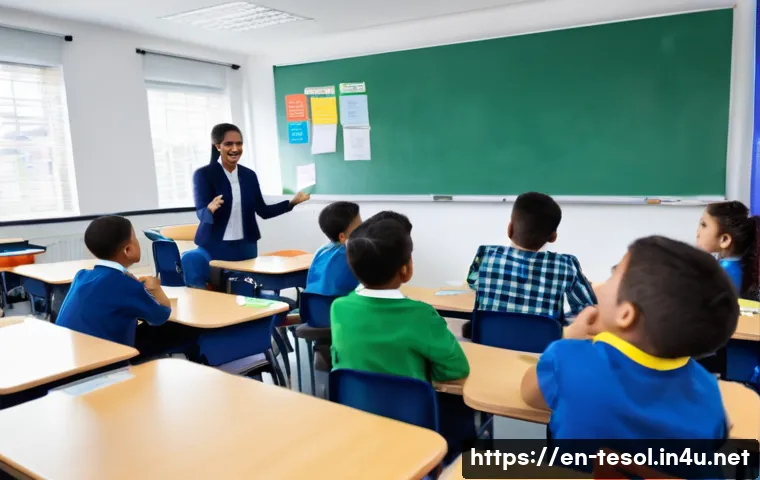
Many teachers have found that integrating technology not only boosts motivation but also deepens comprehension. Over time, the right tools have become essential for creating an immersive and effective environment.
Curious about which tools are making the biggest impact? Let’s dive in and explore the essentials that every TESOL teacher should know!
Creating Interactive Learning Experiences
Engaging Students with Real-Time Feedback
One of the biggest challenges in TESOL classrooms is keeping students actively involved, especially when dealing with diverse proficiency levels. Tools that offer instant feedback have been game-changers in this area.
For instance, when I used apps that instantly highlight errors or suggest improvements during speaking or writing tasks, I noticed my students became more motivated.
They no longer feared making mistakes; instead, they saw errors as stepping stones to improvement. This immediate correction helps solidify understanding and encourages risk-taking in language use, which is crucial for language acquisition.
Gamification to Spark Motivation
Integrating game elements into lessons can transform mundane drills into exciting challenges. From point scoring to timed quizzes, gamification taps into students’ natural competitiveness and desire for achievement.
I’ve seen shy students come out of their shells when lessons incorporate team-based competitions or language puzzles. The thrill of earning badges or leveling up often pushes learners to practice more outside the classroom.
Plus, it breaks the monotony, making learning feel less like a chore and more like a fun activity.
Visual Storytelling to Enhance Comprehension
Visual aids have always been a staple, but with technology, storytelling through images, videos, and animations takes engagement to a new level. When students can associate vocabulary or grammar concepts with vivid stories or scenarios, retention improves significantly.
I personally found that when I used short video clips or animated sequences related to lesson topics, students connected emotionally and cognitively, which boosted their participation and understanding.
Visual storytelling also supports different learning styles, especially for visual learners or those struggling with abstract language concepts.
Customizing Content for Individual Needs
Adaptive Learning Platforms
Every classroom is a mosaic of different skill levels and learning speeds. Adaptive platforms that adjust content based on student responses have been invaluable in my teaching toolkit.
These systems track progress and tweak exercises to suit individual weaknesses, allowing each learner to progress at their own pace without feeling overwhelmed or bored.
From my experience, adaptive platforms also provide detailed reports that help me pinpoint areas needing extra attention, making my lesson planning more efficient and targeted.
Flexible Resource Libraries
Having access to vast, easily searchable libraries of lesson materials, exercises, and multimedia is a lifesaver. These collections let me tailor lessons to current student interests or real-world contexts, which keeps learning relevant and fresh.
For example, if a student group is interested in travel, I can quickly pull up articles, videos, and vocabulary lists related to airports, hotels, or cultural customs.
This kind of customization not only increases engagement but also helps learners see practical uses for their new language skills.
Supporting Multimodal Learning Styles
Acknowledging that learners absorb information differently, the best tools support a mix of auditory, visual, and kinesthetic activities. In practice, this means integrating audio recordings, interactive quizzes, and hands-on tasks into lessons.
I’ve noticed that when students can listen, see, and physically interact with content, their overall comprehension and retention improve. Tools that offer this variety also help maintain attention and cater to a broader range of learners, making the classroom more inclusive.
Facilitating Collaborative Language Practice
Virtual Breakout Rooms for Peer Interaction
Collaboration is key in language learning, but organizing group work in a physically or virtually mixed classroom can be tricky. Virtual breakout rooms have become essential for creating small-group discussions or projects.
When I set up these spaces, students feel more comfortable practicing speaking and negotiating meaning in a less intimidating environment. This format encourages peer feedback and boosts confidence, which often translates into better performance in whole-class activities.
Shared Digital Workspaces
Collaborative writing or brainstorming sessions can be seamlessly conducted through shared online documents or whiteboards. These tools allow multiple students to contribute simultaneously, which fosters a sense of teamwork and shared responsibility.
I’ve used platforms where students can co-edit essays or create mind maps together, and the real-time interaction sparks creativity and immediate clarification of doubts.
This also helps me monitor progress and provide timely support.
Language Exchange Through Global Connections
Expanding interaction beyond the classroom walls enriches learning. Connecting students with peers worldwide via language exchange platforms introduces authentic communication opportunities.
I’ve facilitated exchanges where my learners practiced conversational skills with native speakers or other ESL learners, which broadened their cultural understanding and practical language use.
Such connections make language learning more meaningful and motivate students to engage regularly.
Streamlining Assessment and Progress Tracking
Automated Quizzes with Instant Grading
Assessments can sometimes be time-consuming to prepare and grade, but technology offers solutions that save teachers valuable time. Automated quizzes that instantly grade responses allow me to quickly gauge student comprehension and adjust lessons accordingly.
This immediate insight helps maintain a dynamic classroom pace where feedback loops are short, and students can promptly address their weak points without delay.
Detailed Analytics for Informed Decisions
Beyond simple scores, many tools provide rich data on student performance trends, error patterns, and engagement levels. By analyzing these analytics, I can identify not just what topics are challenging, but also which teaching methods are most effective.
This data-driven approach has refined my teaching strategies over time, making my interventions more strategic and impactful.
Encouraging Self-Assessment and Reflection
Tools that promote self-evaluation empower learners to take ownership of their progress. Features like progress dashboards or reflective journals integrated into learning platforms encourage students to monitor their achievements and set personal goals.
In my experience, this boosts motivation and helps develop lifelong learning habits, as students become more aware of their strengths and areas for growth.

Enhancing Communication and Classroom Management
Instant Messaging for Quick Clarifications
Effective communication outside lesson hours is crucial for supporting students, and instant messaging tools have made this easier than ever. When students can quickly ask questions or clarify doubts, they stay on track without frustration.
I often use messaging apps or platform-integrated chat features to maintain an open line of communication, which strengthens rapport and encourages continuous learning.
Organizing Schedules and Assignments
Keeping track of lesson plans, deadlines, and assignments can be overwhelming, especially with large classes. Digital organizers and calendar integrations help me maintain structure and ensure students are aware of upcoming tasks.
Sharing these schedules digitally also reduces missed deadlines and keeps everyone accountable.
Virtual Attendance and Participation Tracking
In hybrid or fully online settings, monitoring attendance and participation can be tricky. Tools that automate attendance logs and track active participation help maintain classroom discipline and engagement.
I’ve found these features indispensable for ensuring that students remain committed and for identifying those who may need additional encouragement.
Popular TESOL Tool Features Compared
| Feature | Benefit | Ideal Use Case | My Experience |
|---|---|---|---|
| Instant Feedback | Boosts motivation and quick learning | Speaking and writing tasks | Students improved faster, less fear of mistakes |
| Adaptive Content | Personalizes learning pace | Mixed proficiency classrooms | Helped target weak areas efficiently |
| Virtual Breakout Rooms | Encourages peer communication | Small group discussions | Increased speaking confidence |
| Automated Grading | Saves teacher time | Quizzes and tests | Faster feedback cycles, easier planning |
| Shared Digital Workspaces | Enhances collaboration | Writing and brainstorming | Improved teamwork and creativity |
Leveraging Multimedia for Deeper Engagement
Incorporating Authentic Audio and Video Materials
Authentic materials such as podcasts, news clips, or interviews immerse learners in real-world language use. I’ve integrated these into lessons to expose students to varied accents, speech speeds, and cultural contexts.
This exposure challenges learners but also prepares them for actual communication outside the classroom. The key is to select content that is relevant and appropriately challenging, ensuring students stay engaged rather than overwhelmed.
Creating Interactive Presentations
Dynamic presentations that embed quizzes, polls, or clickable elements keep students attentive and involved. When I design lessons with interactive slides, students participate actively rather than passively absorbing information.
This approach also allows me to gauge comprehension in real time and adjust the pace or clarify points immediately.
Using Visual Storyboards and Infographics
Visual storyboards and infographics condense complex grammar or vocabulary into digestible formats. I’ve found that when students can visualize sentence structures or vocabulary relationships through graphics, they grasp abstract concepts more easily.
Creating these visuals collaboratively also reinforces understanding and makes lessons more memorable.
Encouraging Lifelong Learning Beyond the Classroom
Promoting Language Apps for Self-Study
Encouraging students to use language learning apps outside class extends their practice time and reinforces classroom learning. I often recommend apps tailored to individual goals, whether for vocabulary building, grammar drills, or conversational practice.
Students appreciate having a flexible, accessible way to continue learning at their own pace.
Setting Up Online Language Communities
Online forums or social media groups dedicated to language practice foster a supportive learning community. I’ve facilitated groups where students share resources, practice writing, and motivate each other.
This peer support network builds confidence and keeps learners connected even when not physically together.
Integrating Cultural Exposure
Language is deeply tied to culture, so exposing learners to cultural content like films, music, and festivals enhances their understanding and appreciation.
I encourage students to explore these aspects as part of their language journey, making learning richer and more enjoyable. This also helps develop intercultural competence, a vital skill in today’s globalized world.
Wrapping Up
Creating interactive and personalized learning experiences is essential for effective language teaching. By leveraging technology and diverse teaching strategies, educators can engage students more deeply and support their individual growth. These approaches not only enhance motivation but also build confidence and foster lifelong language skills. Embracing these tools and methods transforms classrooms into dynamic spaces where every learner can thrive.
Useful Tips to Keep in Mind
1. Use real-time feedback tools to encourage students to embrace mistakes as learning opportunities, boosting their confidence and progress.
2. Incorporate gamification elements like quizzes and competitions to make lessons more engaging and foster a sense of achievement.
3. Customize content by tapping into students’ interests and adapting materials to different learning styles for better retention.
4. Facilitate peer interaction through virtual breakout rooms and shared workspaces to enhance communication and collaboration skills.
5. Utilize multimedia resources such as authentic audio, videos, and interactive presentations to create immersive and motivating lessons.
Key Takeaways
Effective TESOL teaching relies on combining technology with thoughtful pedagogy to meet diverse learner needs. Prioritizing personalized learning paths, fostering collaboration, and providing timely, actionable feedback are crucial. Additionally, encouraging self-reflection and extending learning beyond the classroom helps build autonomy and sustained interest. Ultimately, a balanced mix of interactive tools and human connection drives meaningful language acquisition.
Frequently Asked Questions (FAQ) 📖
Q: What are the most effective digital tools for engaging TESOL students in the classroom?
A: From my experience, interactive apps like Kahoot and Quizlet work wonders for engagement because they turn learning into a game, which really captures students’ attention.
Digital whiteboards like Jamboard also offer a collaborative space where students can brainstorm and participate actively, making lessons feel more dynamic.
Tools that allow for real-time feedback, such as Nearpod, help keep students motivated because they see their progress instantly. Combining these tools tailors the learning experience to different styles, whether visual, auditory, or kinesthetic.
Q: How can technology integration improve comprehension in TESOL settings?
A: Integrating technology creates multiple pathways for understanding. For example, using video content with subtitles helps students connect spoken and written language, reinforcing vocabulary and pronunciation.
Interactive quizzes and immediate feedback enable learners to identify gaps in knowledge and correct mistakes on the spot. I’ve noticed that when students engage with multimedia materials, they tend to remember concepts longer and feel more confident using English in real-life situations.
Technology also allows teachers to differentiate lessons easily, catering to varying proficiency levels within one classroom.
Q: Are there any challenges TESOL teachers should be aware of when using technology in their lessons?
A: Absolutely, while technology is a game-changer, it’s not without hurdles. One common issue is unequal access to devices or reliable internet, which can leave some students behind.
Technical glitches can interrupt the flow of a lesson and cause frustration for both teachers and learners. Also, it’s easy to get carried away with fancy tools and lose sight of learning objectives—so striking a balance is key.
From my experience, preparing backup plans and choosing tools that are user-friendly and purposeful makes a big difference in creating a smooth, effective learning environment.