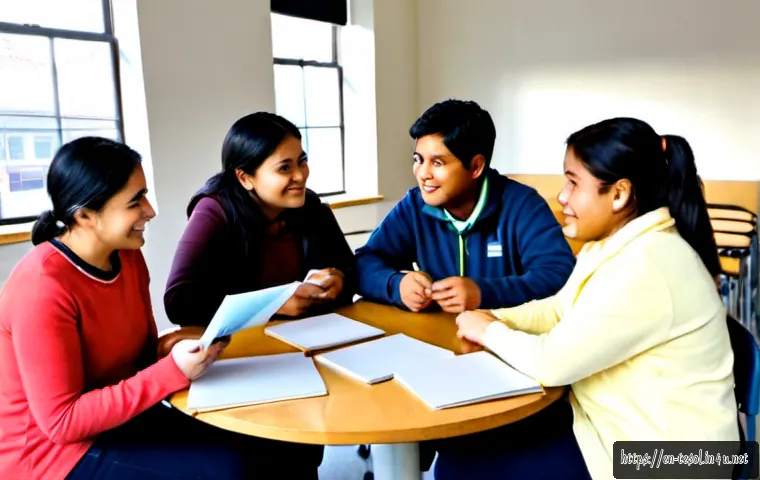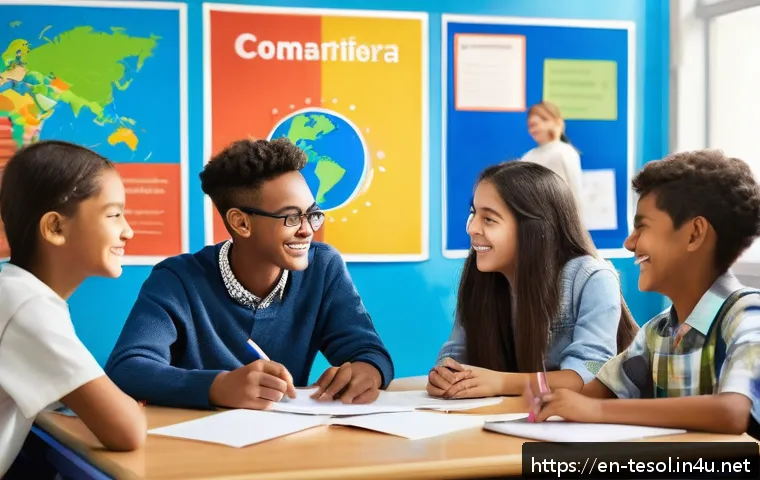
In today’s globalized classrooms, cultural sensitivity isn’t just a buzzword—it’s a vital skill for TESOL educators striving to connect with diverse learners.
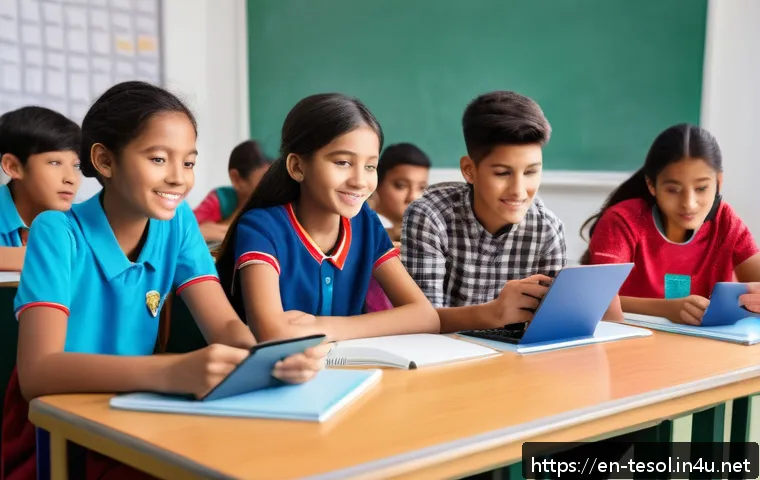
With classrooms becoming more multicultural than ever, understanding and embracing cultural nuances can transform teaching from routine to truly impactful.
I’ve noticed firsthand how small shifts in approach can break down barriers and build genuine rapport with students. This post dives into practical strategies that every TESOL teacher should know to foster inclusive, respectful, and effective learning environments.
Stick around if you’re ready to enrich your teaching toolkit and make a real difference in your students’ language journeys.
Recognizing and Respecting Cultural Differences in the Classroom
Understanding Students’ Cultural Backgrounds
Every student walks into your classroom carrying a unique cultural story that shapes how they perceive learning, communication, and interaction. I’ve found that taking the time to learn about their cultural norms, values, and even educational expectations can drastically change how you approach your lessons.
For example, some cultures emphasize collective success over individual achievement, so group activities might resonate more deeply with those students.
Conversely, others might come from backgrounds where direct questioning of authority is discouraged, meaning they could be hesitant to participate unless encouraged thoughtfully.
By acknowledging these subtleties, you not only avoid misunderstandings but also foster a space where students feel genuinely seen and valued.
Adapting Teaching Styles to Diverse Cultural Norms
Adapting your teaching approach means more than just mixing up activities—it’s about aligning your methods with what makes students comfortable and engaged.
When I shifted from a strictly lecture-based style to one incorporating storytelling and culturally relevant examples, I noticed a remarkable boost in participation.
In some cultures, indirect communication is the norm, so students may prefer discussions framed around scenarios rather than blunt instructions. Recognizing this, I started integrating role-plays and culturally familiar stories that made lessons more relatable and less intimidating.
This adaptability not only respects cultural differences but also enriches the learning experience for everyone.
Building Trust Through Cultural Sensitivity
Trust is the cornerstone of any effective teacher-student relationship, and cultural sensitivity plays a huge role in building that trust. In my experience, small gestures—like learning key greetings in students’ native languages or celebrating cultural holidays—go a long way in showing respect and building rapport.
When students sense that their identity is honored, they become more open and willing to take risks in language learning. It’s also important to maintain consistent respect for cultural taboos and personal boundaries, which can vary widely.
This trust creates a safe environment where mistakes are seen as natural steps toward mastery rather than failures.
Creating Inclusive Materials and Activities
Incorporating Diverse Cultural Content
Materials that reflect the diversity of your students’ backgrounds make a huge difference. I’ve noticed that when textbooks or supplementary materials include stories, examples, and images from a range of cultures, students feel more connected to the content.
This inclusion signals that their culture matters in the learning process, increasing motivation and engagement. Beyond textbooks, I often curate videos, articles, and music from various cultural perspectives to broaden students’ horizons and encourage intercultural dialogue.
Designing Activities that Encourage Cross-Cultural Interaction
Encouraging students to share their own cultural experiences through presentations, group projects, or storytelling sessions not only promotes language practice but also cultivates empathy and curiosity.
In one class, I assigned a “culture exchange” project where students paired up and taught each other about their traditions and customs. The energy in the room shifted dramatically—students became more attentive and enthusiastic, eager to learn about one another.
These interactions break down stereotypes and foster a supportive community where diversity is celebrated.
Addressing Stereotypes and Misconceptions
It’s inevitable that stereotypes will surface in multicultural classrooms, sometimes unintentionally. I’ve learned that addressing these head-on, but with sensitivity, helps create a more respectful atmosphere.
For instance, when a student made an offhand comment based on a stereotype, I turned it into a teachable moment by inviting the class to explore the complexity behind that assumption.
This approach encourages critical thinking and helps students unlearn prejudices, which is essential for both language development and personal growth.
Effective Communication Strategies Across Cultures
Using Clear and Inclusive Language
Clear communication is essential, but it goes beyond simplifying language. It’s about being mindful of idioms, slang, or humor that might confuse learners from different backgrounds.
I try to explain or avoid expressions that rely heavily on cultural context, instead opting for universally understandable phrases. This clarity helps reduce frustration and keeps students confident in their comprehension and participation.
Nonverbal Communication and Cultural Sensitivity
Nonverbal cues—like eye contact, gestures, and personal space—vary widely across cultures and can either build or block rapport. Early in my teaching, I noticed a student avoiding eye contact seemed disengaged, but I later realized in their culture, it’s a sign of respect, not disinterest.
Being aware of these nuances means I’m careful not to misinterpret behaviors and instead adjust my own body language to create comfort and openness.
Encouraging Open Dialogue About Cultural Differences
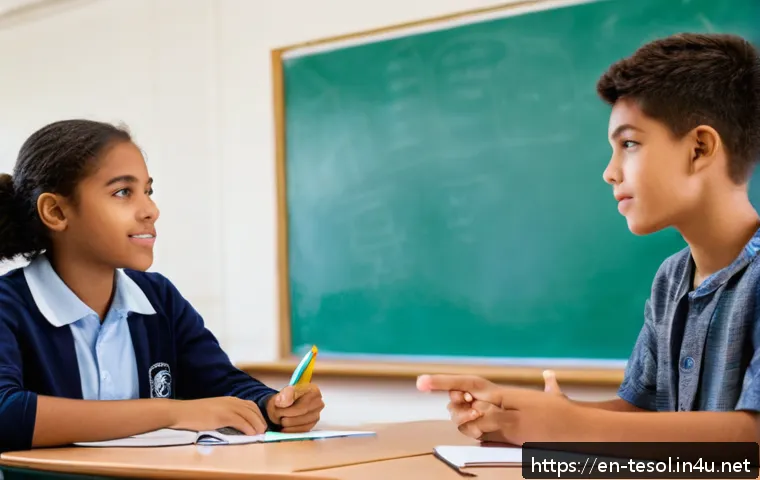
Creating opportunities for students to discuss their communication styles and preferences openly helps prevent misunderstandings. I often start classes with icebreaker activities that invite sharing cultural norms around communication, which sets a tone of openness and respect.
This practice not only improves classroom dynamics but also models how students can navigate intercultural interactions outside the classroom.
Addressing Challenges in Multicultural TESOL Settings
Managing Cultural Conflicts Constructively
Inevitably, cultural misunderstandings or conflicts arise, and how a teacher handles these moments can define the classroom atmosphere. I’ve found that approaching conflicts calmly and encouraging dialogue helps de-escalate tensions.
For example, when two students from different backgrounds disagreed over a cultural practice, I facilitated a conversation that allowed them to express their perspectives and learn from each other.
This approach promotes mutual respect and problem-solving skills.
Supporting Students with Varied Educational Experiences
Students come with different levels of prior education and learning habits shaped by their cultural contexts. Some may be accustomed to rote memorization, while others thrive in interactive environments.
Recognizing these differences, I try to balance my lessons to cater to both ends of the spectrum, blending structure with creativity. This balance helps all students adjust and find their footing in an unfamiliar learning system.
Overcoming Language Barriers Without Frustration
Language barriers can be daunting, but patience and empathy make a huge difference. I’ve learned to celebrate small victories and encourage peer support, creating a community where learners help each other.
Using visual aids, gestures, and technology also eases communication hurdles. Importantly, I remind myself and my students that language acquisition is a journey—mistakes are milestones, not setbacks.
Practical Tools for Enhancing Cultural Awareness
Utilizing Technology to Explore Cultures
Digital resources like virtual tours, international news sites, and cultural exchange platforms bring the world into the classroom. I often assign projects where students research and present on cultural topics using online tools, which sparks curiosity and tech skills simultaneously.
Technology also offers real-time opportunities to connect with native speakers or other classrooms worldwide, deepening intercultural understanding.
Engaging in Continuous Professional Development
Cultural sensitivity is a skill that evolves with experience and learning. I make it a point to attend workshops, webinars, and read widely about intercultural communication and TESOL best practices.
Sharing experiences with fellow educators also enriches my perspective and equips me with fresh strategies. This ongoing development ensures that my teaching remains relevant and responsive to my students’ needs.
Reflecting on Personal Cultural Biases
One of the most challenging yet rewarding aspects of developing cultural sensitivity is examining your own biases. I regularly reflect on my assumptions and reactions to ensure they don’t unconsciously affect my teaching.
This self-awareness fosters humility and openness, qualities that students pick up on and appreciate, creating a more authentic and trusting classroom environment.
Summary of Key Cultural Sensitivity Strategies for TESOL Educators
| Strategy | Description | Impact on Learning |
|---|---|---|
| Understanding Cultural Backgrounds | Research and acknowledge students’ cultural norms and values | Builds rapport and avoids miscommunication |
| Adapting Teaching Styles | Modify methods to align with students’ cultural preferences | Enhances engagement and comfort |
| Inclusive Materials | Use diverse cultural content in lessons | Increases motivation and cultural pride |
| Clear Communication | Use straightforward language and explain idioms | Reduces confusion and frustration |
| Addressing Stereotypes | Facilitate open discussions to challenge misconceptions | Promotes critical thinking and respect |
| Managing Conflicts | Encourage dialogue and empathy during disagreements | Maintains a positive classroom environment |
| Continuous Learning | Engage in professional development and self-reflection | Keeps teaching practices current and culturally aware |
Conclusion
Embracing cultural differences in the classroom is not just beneficial—it’s essential for creating an inclusive and effective learning environment. By understanding, respecting, and adapting to diverse cultural backgrounds, educators can foster trust, engagement, and mutual respect. These efforts ultimately enrich both teaching and learning experiences, making the classroom a place where every student feels valued and empowered.
Useful Information
1. Recognizing students’ cultural backgrounds helps tailor teaching methods that resonate and engage effectively.
2. Incorporating diverse cultural materials encourages students to connect personally with the content and boosts motivation.
3. Clear and sensitive communication reduces misunderstandings and builds a positive learning atmosphere.
4. Addressing stereotypes thoughtfully promotes critical thinking and a respectful classroom culture.
5. Continuous professional development and self-reflection enhance teachers’ cultural awareness and adaptability.
Key Takeaways
Understanding and respecting cultural diversity is fundamental to effective TESOL teaching. Adapting instructional strategies to meet cultural needs fosters greater student participation and trust. Creating inclusive materials and encouraging open dialogue combats stereotypes and builds empathy. Managing conflicts with sensitivity maintains a positive environment, while ongoing learning ensures educators remain responsive and culturally competent. Ultimately, these practices create a dynamic classroom where all learners can thrive.
Frequently Asked Questions (FAQ) 📖
Q: uestions about Cultural Sensitivity in TESOL ClassroomsQ1: Why is cultural sensitivity important for TESOL educators?
A: Cultural sensitivity is crucial because it helps teachers understand their students’ backgrounds, values, and communication styles. This understanding fosters a supportive classroom where students feel respected and comfortable expressing themselves.
When educators acknowledge cultural differences, they can tailor their teaching methods to better meet diverse learners’ needs, ultimately enhancing engagement and language acquisition.
From my experience, even small gestures like recognizing cultural holidays or encouraging students to share personal stories can make a huge difference in building trust and motivation.
Q: How can TESOL teachers develop cultural sensitivity in their teaching practice?
A: Developing cultural sensitivity starts with self-awareness—recognizing one’s own cultural biases and assumptions. I found that actively learning about students’ cultures through conversations, reading, and multimedia resources broadens perspective.
It’s also helpful to create opportunities for students to share their cultural experiences, fostering mutual respect. Incorporating culturally relevant materials and avoiding stereotypes are practical steps.
Plus, being open to feedback and adapting lesson plans based on students’ reactions shows genuine respect and flexibility, which students greatly appreciate.
Q: What are some effective strategies to handle cultural misunderstandings in a diverse classroom?
A: When cultural misunderstandings arise, addressing them calmly and openly is key. I recommend creating a classroom environment where questions and discussions about culture are welcomed rather than avoided.
If a misunderstanding happens, taking time to explain different perspectives can turn a potentially negative moment into a valuable learning opportunity.
Using clear, respectful language and encouraging empathy helps students see things from others’ viewpoints. Also, setting clear guidelines for respectful communication early on helps prevent conflicts and promotes a positive atmosphere for everyone.